
Waiting for Eggs
Everyone gets shown the same picture. A crowd of sperm, tails going, all pointed the same way. Ahead of them one round thing, pale and enormous and entirely still. The story attached to it never varies either: millions set off, one arrives, he breaks through, and she is fertilised. It is a good story. It has a hero and an obstacle and a prize. It is also, in almost every particular, not what happens.

The reason why you feel annoyed when you’re actually just tired
There's a specific kind of exhaustion that makes you into a person you don't quite recognise. The person who snaps at their partner for asking an entirely reasonable question. The person who cannot make a decision about something small and feels genuine distress about it. The person who is made furious by nothing specific — and then made worse by noticing they're furious about nothing specific. She is not difficult. She is running a nervous system under neurological constraint.
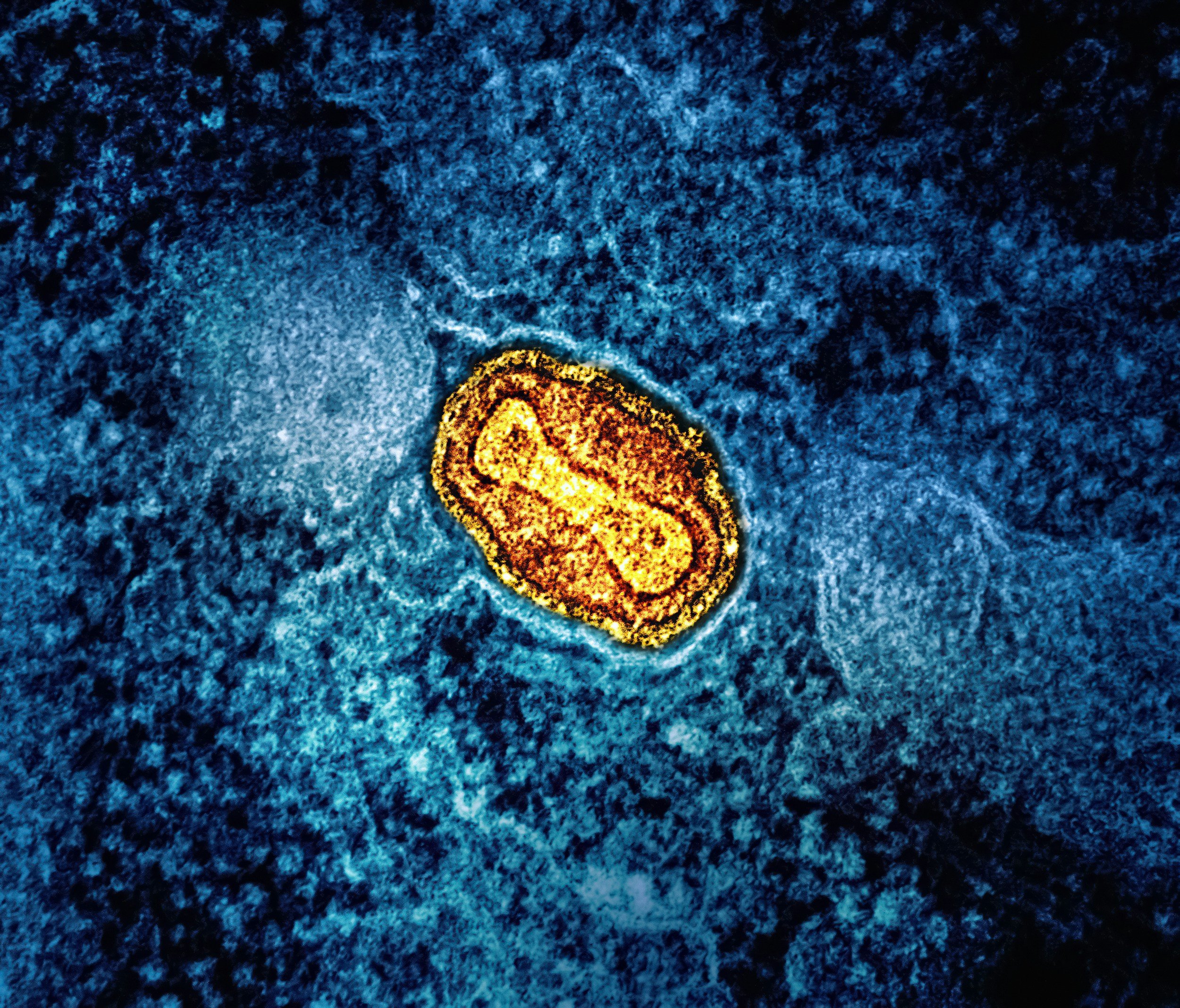
Female Mitochondria
There is a chain. Thalassemia reduces haemoglobin. Less haemoglobin means less oxygen delivered to cells. That oxygen enters the mitochondria — the structures inside every cell that use it to generate energy. Without adequate oxygen, the chain backs up. ATP production falls. And everything downstream of that — which is everything — runs slower, harder, at higher cost, and without an explanation that anyone thought to provide. Nineteen years of that explanation. Here is what mitochondria actually do, why they are specifically female, and why your fatigue may be cellular energy — not character.
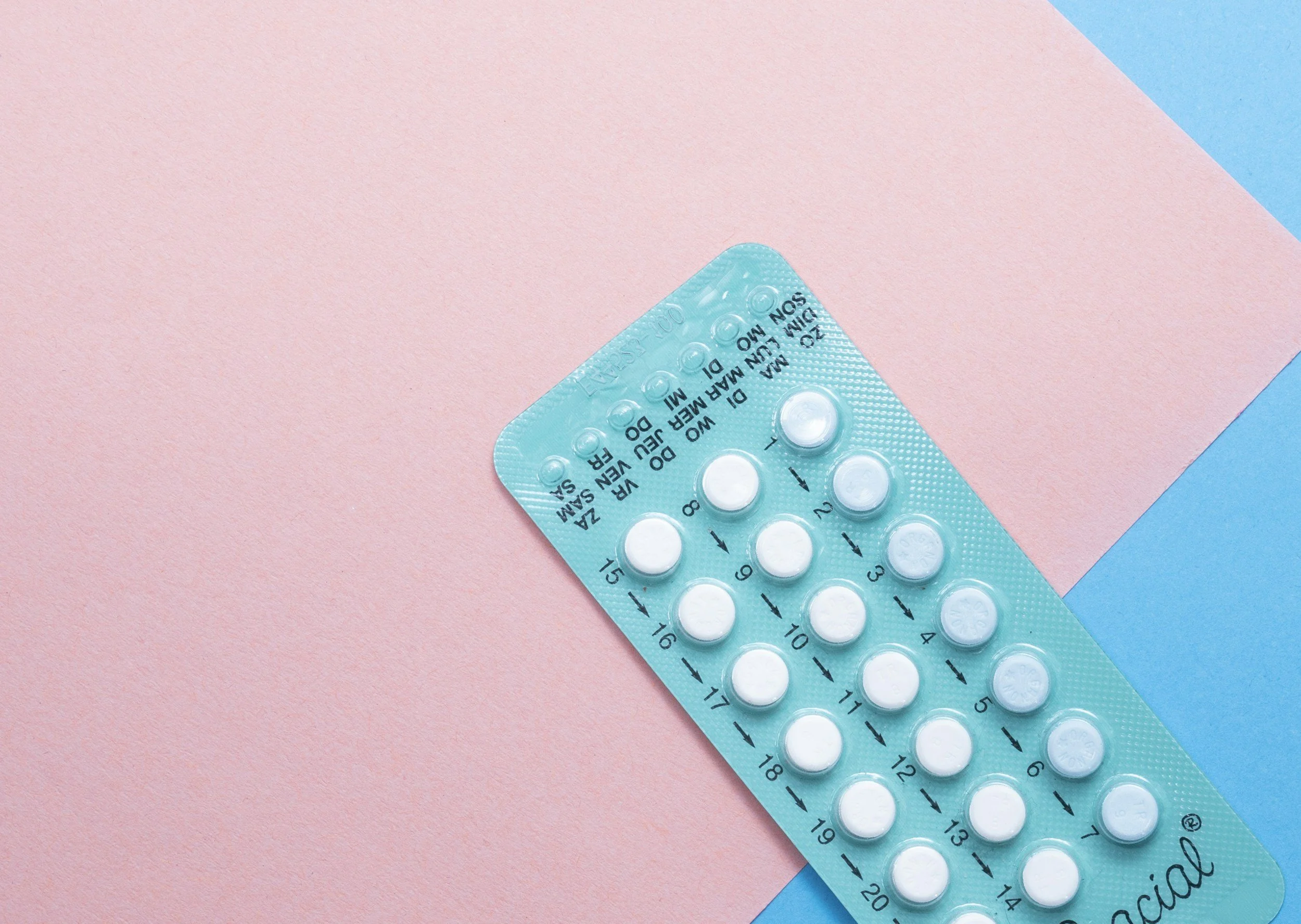
Everything you ever wanted to know about birth control
I was 17 when I was first prescribed the pill. The appointment lasted eight minutes. I was not told about SHBG. I was not told which synthetic progestin I was being given or what else it binds beyond the progesterone receptor. I was not told about the cortisol profile changes, the depression association documented in over a million women, or the preference reversal. The information existed. It was published. It was not passed on.

Cortisol; Friend or Foe?
Everyone is told to lower their cortisol. Nobody explains what cortisol actually does — or that in the female body, it follows a measurably different pattern across the menstrual cycle, interacts with estrogen through two opposing receptor pathways, and was excluded from stress research for decades because its variability was considered a confound. That variability is the biology.
Bio-electricity
Every heartbeat is a voltage wave. Every pain signal is physics — charged particles crossing a membrane, a signal travelling at the speed of a sprinter. Your body is not just biological. It is electrical. And the physics runs differently in you than the textbooks have ever accounted for.
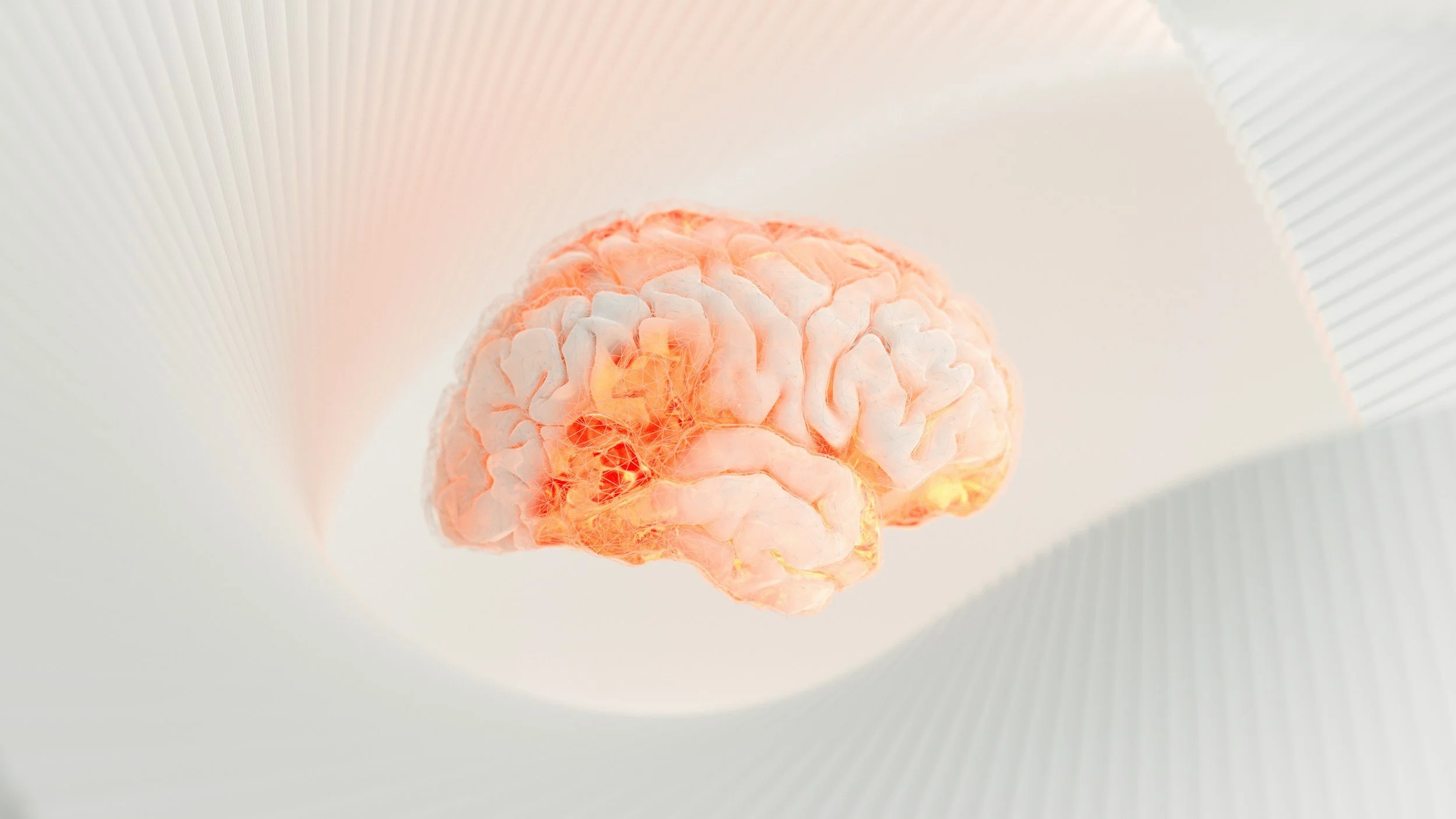
Neuroplasticity
There is a belief I held for most of my twenties that I no longer hold: that my brain had a ceiling. That the capacity I had was the capacity I got. I know now that this is not how the brain works. Neuroplasticity does not pause for difficult years. And in the female brain, it runs on a hormonal architecture that science is only beginning to take seriously.

Hormonal Headaches
I remember the first time I understood that my migraines had a pattern. Four months of tracking in a notes app, and the dates kept clustering around the same point in the month. Always the days just before my period. Nobody had told me this was a thing — not a doctor, not a neurologist, not the pharmacists I had consulted about whether I was taking too much ibuprofen. I had spent years treating each migraine as an isolated event. A failure of hydration. A punishment for the glass of wine. I had a list of suspected causes as long as my arm, and not one of them said: your estrogen just dropped and your trigeminal nerve is reacting. This is that explanation.

Fat = Fat. Right?
For most of my life, fat was a number. A percentage. A thing to reduce, redistribute, be ashamed of in summer. I had no idea it was an organ — several organs, actually, each with its own cellular structure, its own hormonal language, its own metabolic personality. Brown fat burns. White fat stores. And beige fat, the one nobody mentions, can switch between both depending on the signals it receives. What nobody told me is that women have a thermogenic advantage built into their adipose biology. Until estrogen declines. Then everything changes at once.