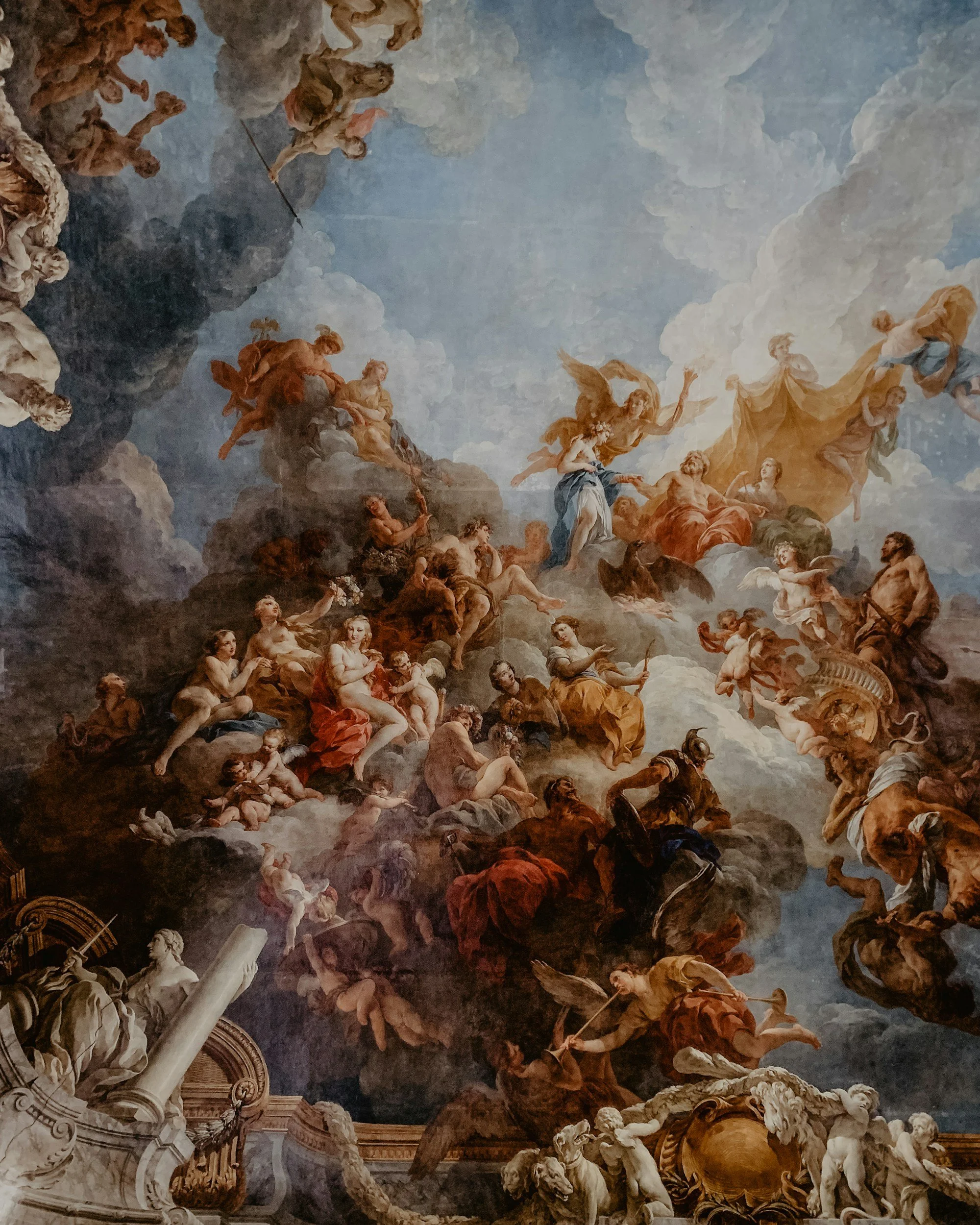
Art & Longevity
I love art so much it moves every fibre of my being. Recently I started wondering what that phenomenon in my body actually is, when I look at art I love and art I don't. Both provoke a sensation. It turns out both have been measured, and the difference between them is not one of degree. Your brain changes the category.
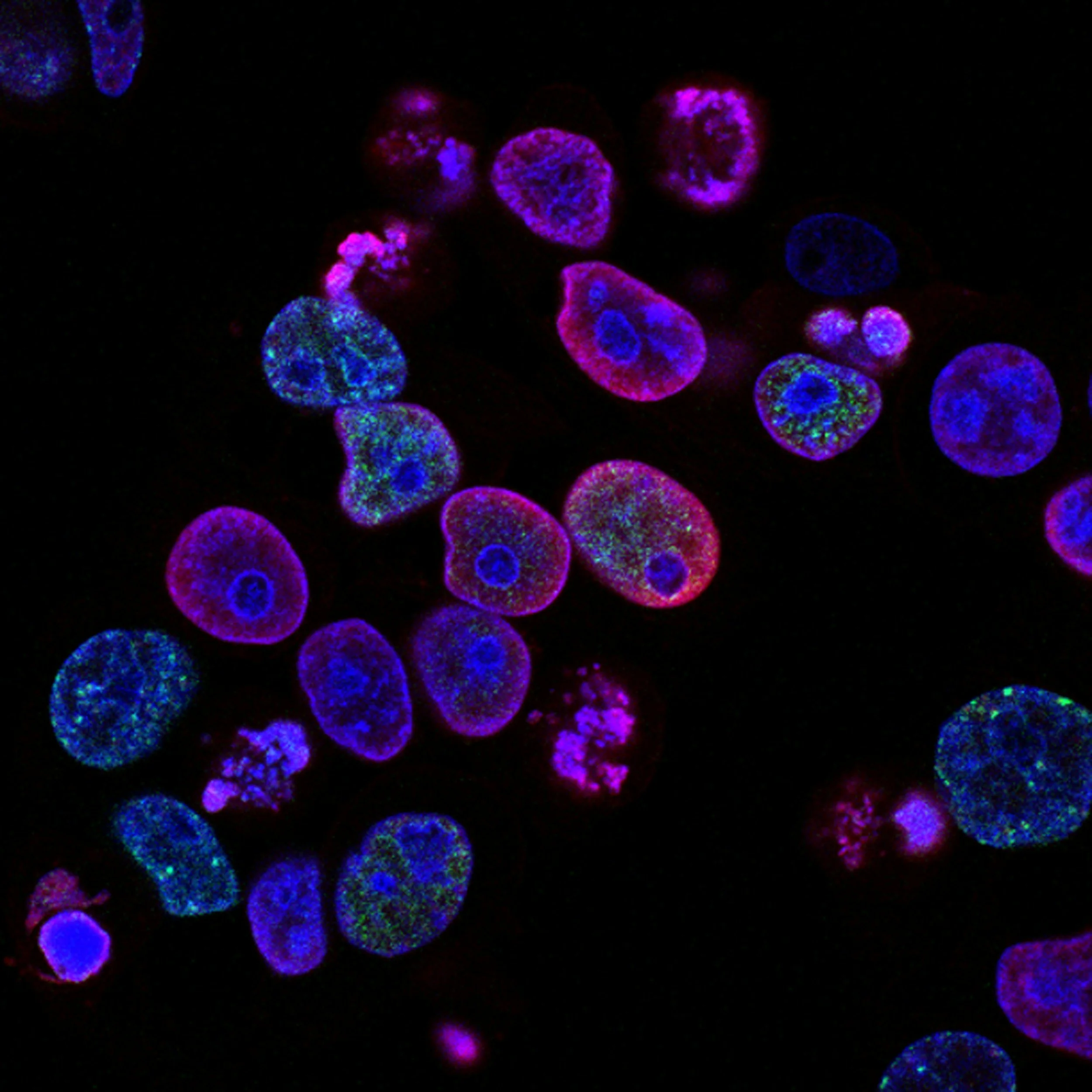
Stem Cells
I fasted past 72 hours once. My back hurt the whole way through, and afterwards it felt like a different back. That sent me into the stem cell literature, where the real finding turned out to be stranger than the supplement ads: your repair crew does not fade slowly. It collapses at around seventy. And in the female body, one of the hormones maintaining it withdraws two decades earlier.
Outside of Time
There is something that happens in a crisis that nobody really prepares you for. Time does not just feel different — it is different. The room slows down. The details become too clear. You notice things you have no business noticing when everything is going wrong. This is not a glitch. It is tachypsychia — a specific neurological event driven by norepinephrine — and the science of why it happens tells you more about the female stress response than almost anything else in the literature.

Hangry
You're mid-sentence, four hours since your last meal, and your brain just — stops. Not dramatically. You lose the thread. Then someone puts food in front of you and you're back, embarrassingly quickly. Here's what is actually happening in your prefrontal cortex. And here's the part that matters even more: the myth that the luteal phase makes you cognitively impaired is not supported by a 2025 meta-analysis of 102 studies and 3,943 women. The fog is real. The explanation isn't what you've been told.
The Iron-y
The reference range your doctor uses to rule out iron deficiency was built from a population where iron deficiency had become so common it looked normal. A ferritin of 14 ng/mL comes back with no flag, no follow-up, and no conversation. The evidence says the threshold should be 50. Here is what the gap between those two numbers costs.
Neuroplasticity
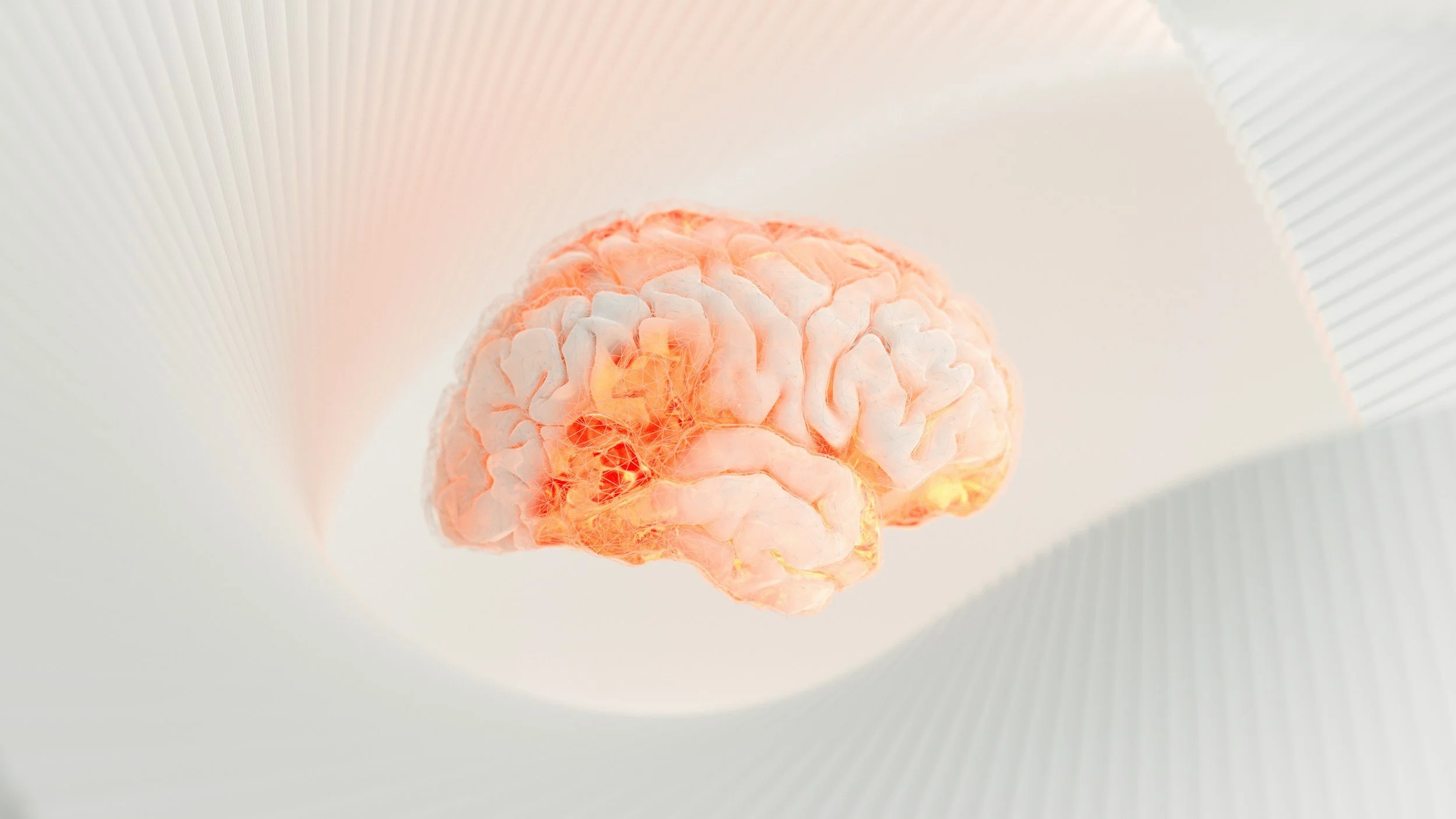
There is a belief I held for most of my twenties that I no longer hold: that my brain had a ceiling. That the capacity I had was the capacity I got. I know now that this is not how the brain works. Neuroplasticity does not pause for difficult years. And in the female brain, it runs on a hormonal architecture that science is only beginning to take seriously.

Hormonal Headaches
I remember the first time I understood that my migraines had a pattern. Four months of tracking in a notes app, and the dates kept clustering around the same point in the month. Always the days just before my period. Nobody had told me this was a thing — not a doctor, not a neurologist, not the pharmacists I had consulted about whether I was taking too much ibuprofen. I had spent years treating each migraine as an isolated event. A failure of hydration. A punishment for the glass of wine. I had a list of suspected causes as long as my arm, and not one of them said: your estrogen just dropped and your trigeminal nerve is reacting. This is that explanation.
Fat = Fat. Right?
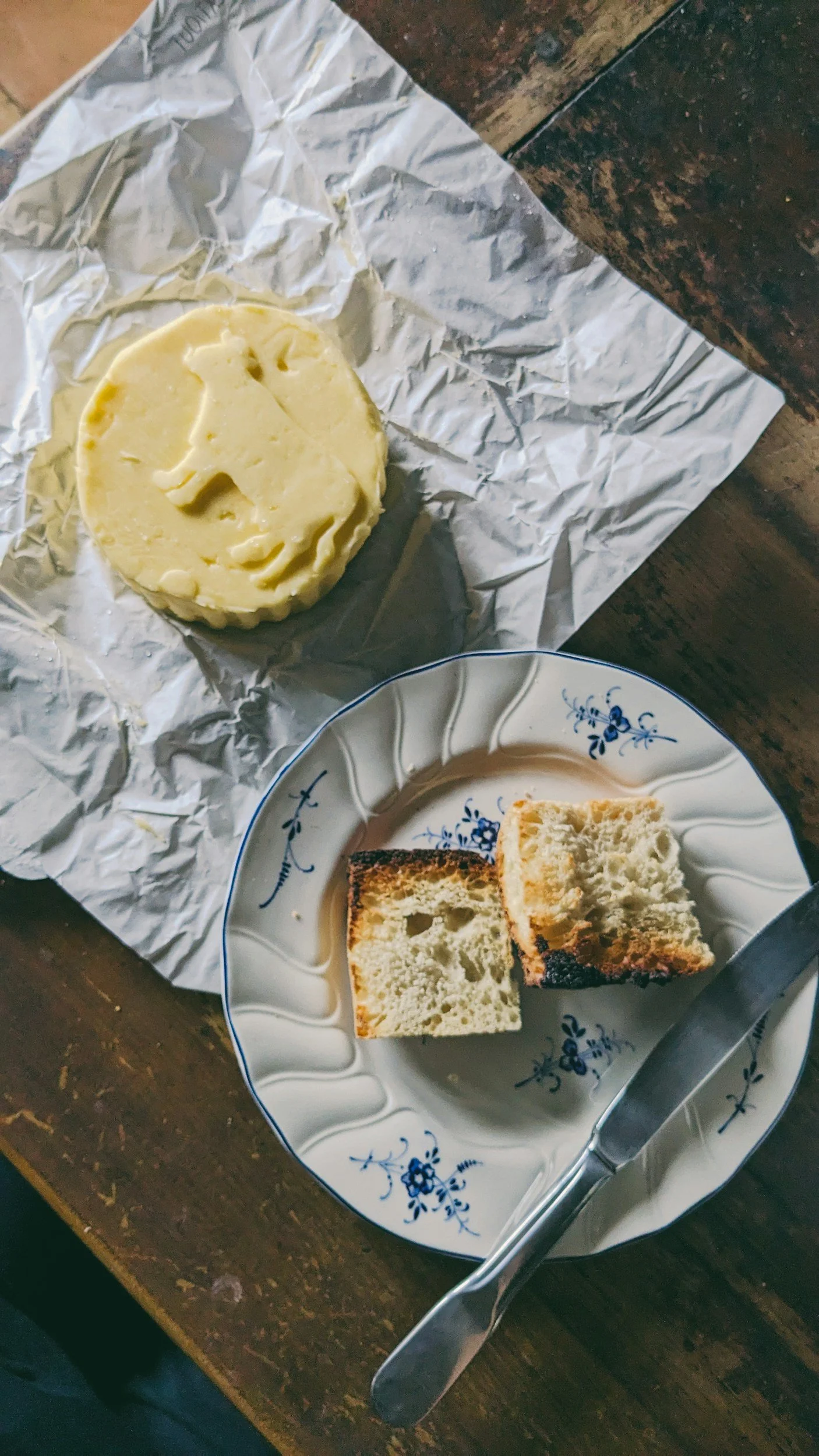
For most of my life, fat was a number. A percentage. A thing to reduce, redistribute, be ashamed of in summer. I had no idea it was an organ — several organs, actually, each with its own cellular structure, its own hormonal language, its own metabolic personality. Brown fat burns. White fat stores. And beige fat, the one nobody mentions, can switch between both depending on the signals it receives. What nobody told me is that women have a thermogenic advantage built into their adipose biology. Until estrogen declines. Then everything changes at once.

Your 28-day Cycle
I spent the better part of my twenties thinking my body was unpredictable. One week sharp and focused, the next week foggy and tender — craving different food, needing more sleep, finding the same social situation that felt easy a fortnight ago now unexpectedly exhausting. It took years before I understood that what I was experiencing was not randomness. It was a programme. A 28-day biological programme that was running, flawlessly, every single month. Nobody gave me a map. So I built one.