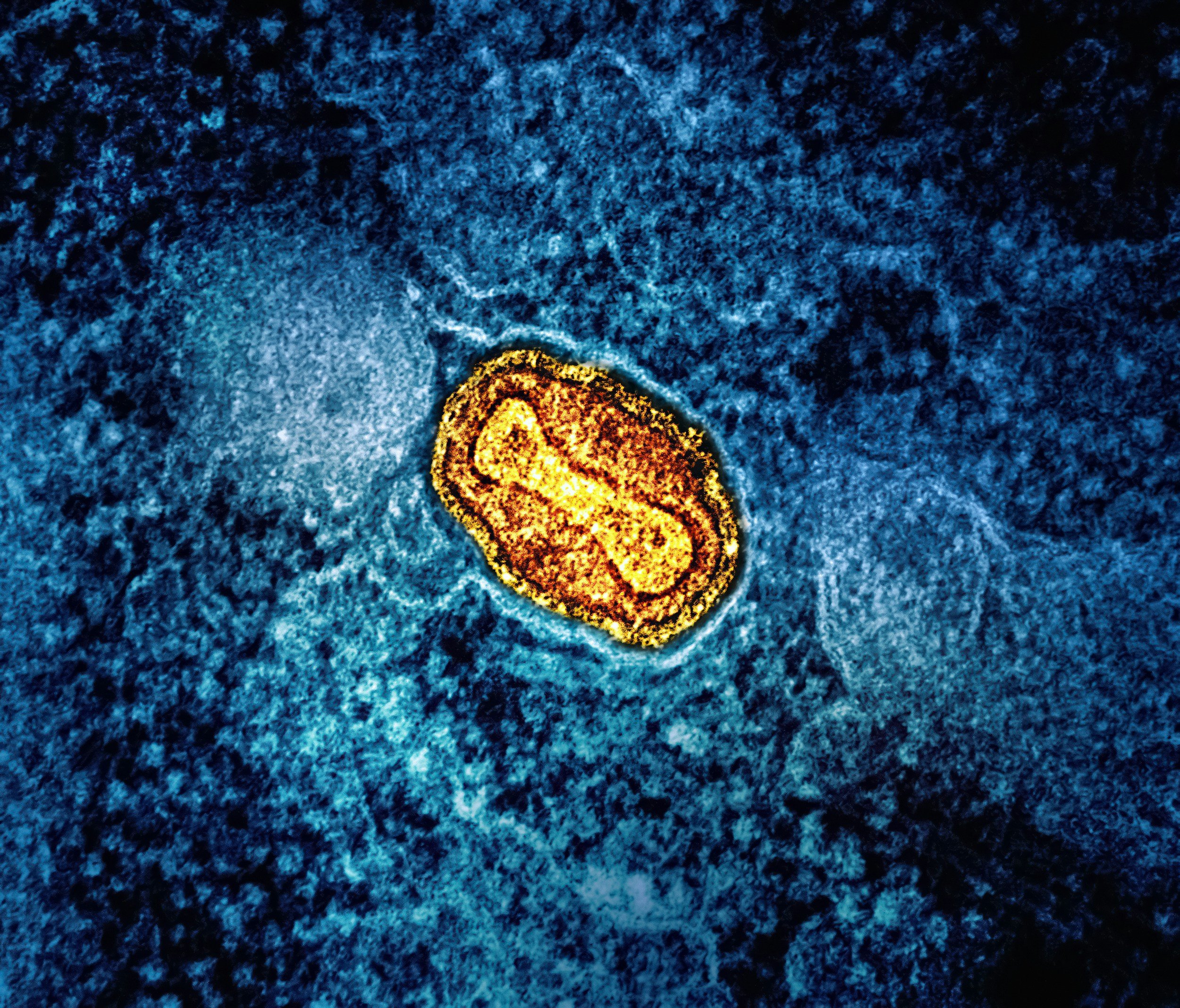
Female Mitochondria
There is a chain. Thalassemia reduces haemoglobin. Less haemoglobin means less oxygen delivered to cells. That oxygen enters the mitochondria — the structures inside every cell that use it to generate energy. Without adequate oxygen, the chain backs up. ATP production falls. And everything downstream of that — which is everything — runs slower, harder, at higher cost, and without an explanation that anyone thought to provide. Nineteen years of that explanation. Here is what mitochondria actually do, why they are specifically female, and why your fatigue may be cellular energy — not character.
The Iron-y
The reference range your doctor uses to rule out iron deficiency was built from a population where iron deficiency had become so common it looked normal. A ferritin of 14 ng/mL comes back with no flag, no follow-up, and no conversation. The evidence says the threshold should be 50. Here is what the gap between those two numbers costs.

Fat = Fat. Right?
For most of my life, fat was a number. A percentage. A thing to reduce, redistribute, be ashamed of in summer. I had no idea it was an organ — several organs, actually, each with its own cellular structure, its own hormonal language, its own metabolic personality. Brown fat burns. White fat stores. And beige fat, the one nobody mentions, can switch between both depending on the signals it receives. What nobody told me is that women have a thermogenic advantage built into their adipose biology. Until estrogen declines. Then everything changes at once.
The Ozempic Truth
Ozempic isn’t “just appetite suppression.” It’s week-long, high-level GLP-1 receptor activation that alters digestion, blood sugar signaling, brain reward pathways—and in women, potentially cycles, fertility, muscle, and mood.
Here’s the biological reality, the trade-offs, and what happens when you stop.