The Memory of Pain
The first time, I did not know what was coming. They operated on bones in my foot. Gave me a spinal block. When it wore off, they asked me to walk — on crutches, on the foot that had just been cut open. I made it a few steps. And then the world went black. Not metaphorically. I literally fainted. From pain. That was surgery one. There were three. And there is a fourth I need — and cannot make myself do. It has to do with a specific molecule in the neurons of my spinal cord. Once you understand what that molecule does, the fact that I cannot walk back into that operating theatre will make complete neurological sense. It is not a failure of courage. It is a consequence of learning.
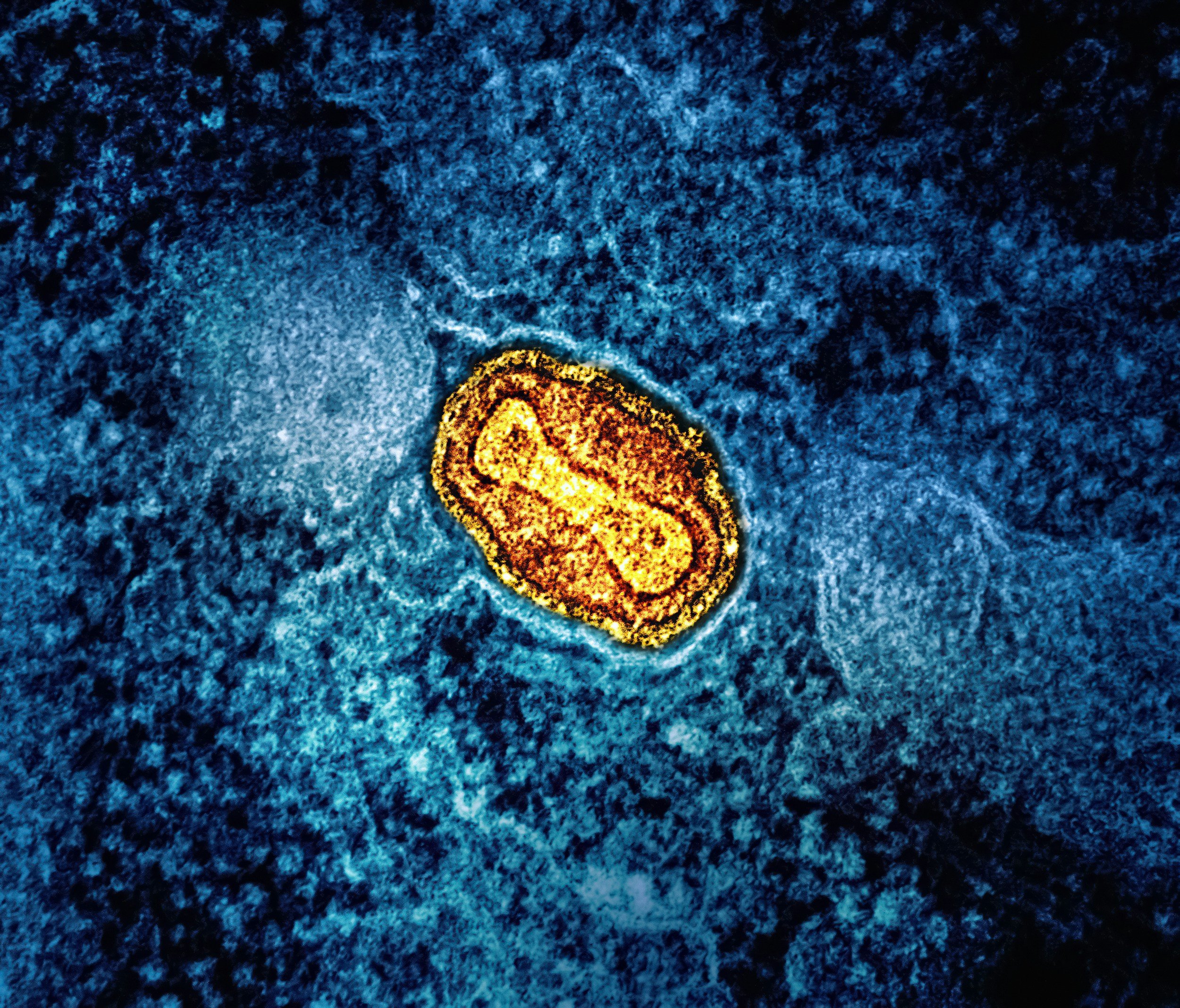
Female Mitochondria
There is a chain. Thalassemia reduces haemoglobin. Less haemoglobin means less oxygen delivered to cells. That oxygen enters the mitochondria — the structures inside every cell that use it to generate energy. Without adequate oxygen, the chain backs up. ATP production falls. And everything downstream of that — which is everything — runs slower, harder, at higher cost, and without an explanation that anyone thought to provide. Nineteen years of that explanation. Here is what mitochondria actually do, why they are specifically female, and why your fatigue may be cellular energy — not character.

Cortisol; Friend or Foe?
Everyone is told to lower their cortisol. Nobody explains what cortisol actually does — or that in the female body, it follows a measurably different pattern across the menstrual cycle, interacts with estrogen through two opposing receptor pathways, and was excluded from stress research for decades because its variability was considered a confound. That variability is the biology.
Women's Health Pioneers
Women have been revolutionizing medicine for over a century—often without recognition, credit, or institutional support. This post honors the female scientists whose discoveries shaped modern healthcare and explains why their erasure still affects women’s health today.