

Estrobolome
For years I treated my bloating like a crime scene, and food was always the suspect. Gluten one month, dairy the next. What I kept missing was the timing — it wasn't my plate, it was the conversation between my gut bacteria and my estrogen.

Perimenopause III
There is a sentence women say quietly, usually near the end of an appointment, usually while reaching for a coat: I think there is something wrong with my brain. The measured answer is more reassuring and more precise than either the fear or the dismissal. Women in late perimenopause stopped improving on repeated cognitive testing while every other group carried on, and then the curve came back. But underneath that sits a second question, about ADHD in this window, where a systematic review went looking for studies and found none.

Perimenopause II
The hot flush in a meeting is public. Everyone watches. The three in the morning has no witnesses, so nobody counts it. Between forty and fifty-six percent of women report insomnia symptoms in the transition, and one in four meets full diagnostic criteria. This is what is happening in those hours, why progesterone leaving is the part nobody explains, and why the treatment with the strongest evidence behind it is almost never the one you get offered.
The Organ Society Wrote Off
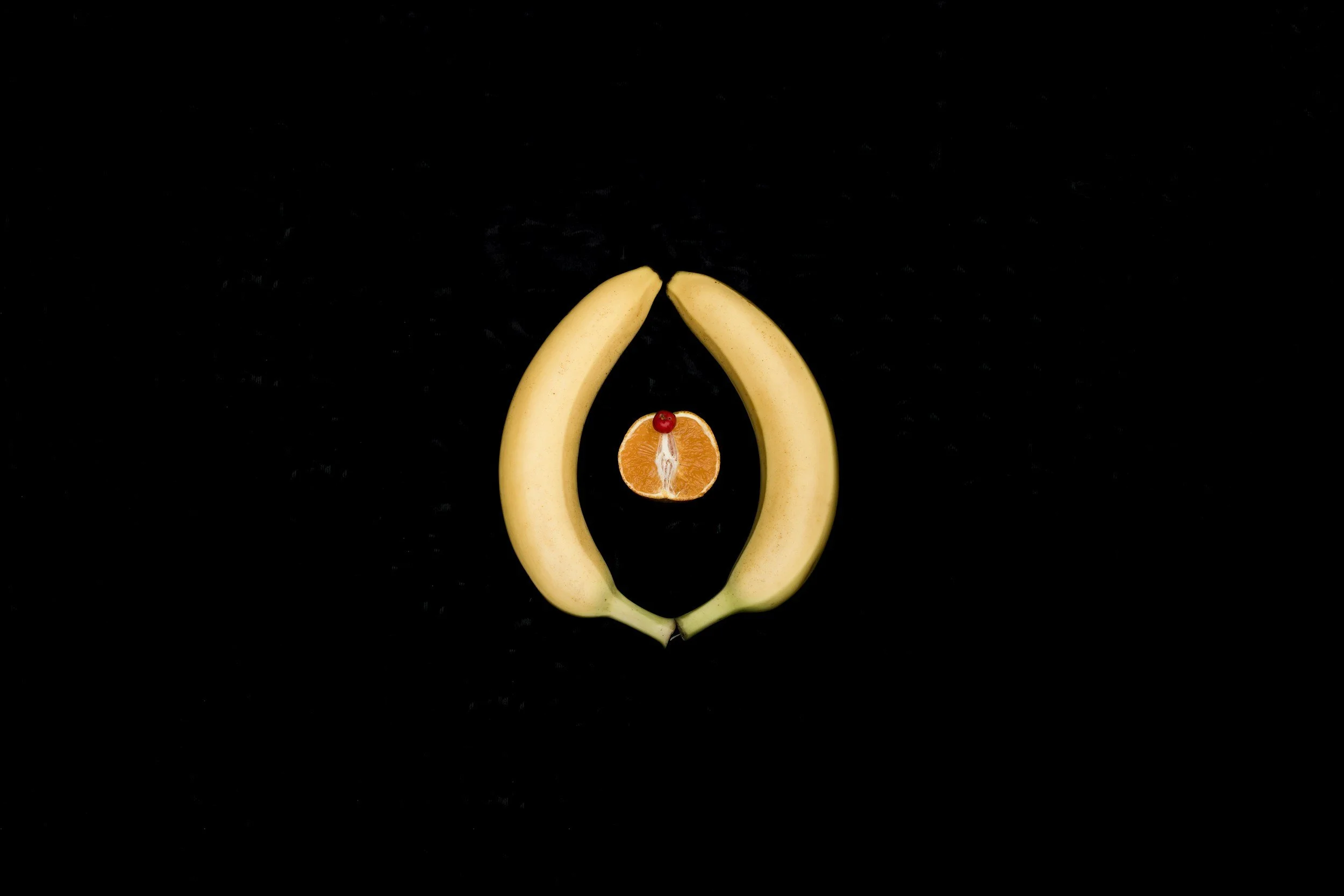
For a century we treated the ovary as a countdown clock that stops mattering at menopause. New research suggests it keeps working. It just changes jobs. A look at what the science actually shows, and what it doesn't.
Perimenopause I
Four men were laughing about their "hormonal" wives when the only woman at their level crossed the room, dropped her jacket on the floor, and showed them the sleeves she'd cut out of her blouse. Perimenopause hormones do not fade on a gentle slope. FSH rises first, estradiol spikes higher than it did at twenty-five, and progesterone leaves years before anyone mentions menopause. What is actually happening, why a single blood test cannot see it, and what the evidence says helps.
Sleep, Longevity and Cycling
Sleep is not rest. The brain during sleep is not a quiet brain — it runs processes that cannot happen during wakefulness, including glymphatic clearance of amyloid and tau proteins, memory consolidation, immune function, and emotional processing. Sleep has never been easy in my family. My father spent most of his adult life lying in the dark, waiting. I carry both his late melatonin release and my mother's hypervigilant light sleep. This post is what I eventually learned about what sleep is actually doing while you're not awake.

ADHD & Neurodivergence in Women
There is a specific week of the month where everything becomes harder. Not harder the way Monday is harder than Friday. A different kind of harder — where tasks that were manageable seven days ago now require effort that feels unreasonable, where you lose your keys three times before 10am. If you have ADHD, that week is not a coincidence. It is your dopamine system responding to a hormonal signal nobody told you about.
You are not your genetics
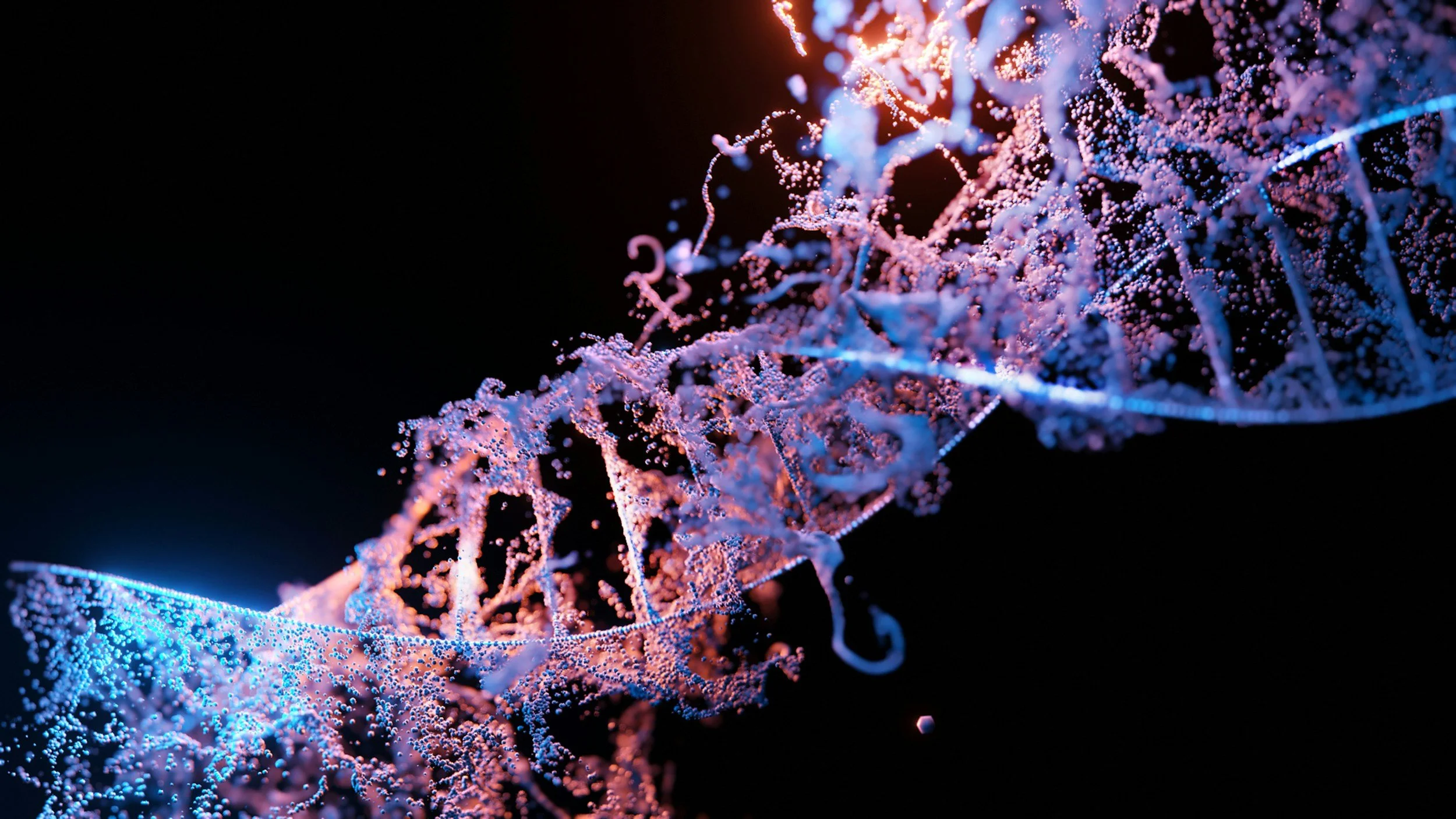
Twin studies measuring DNA methylation patterns show that roughly 80–84% of epigenetic variation between people comes from environment rather than genetic inheritance. Identical twins — same DNA, letter for letter — diverge so significantly over decades that by their fifties they can differ measurably in biological age, disease risk, and immune function. Not because their genes changed. Because their genes were being read differently.