

Perimenopause I
Four men were laughing about their "hormonal" wives when the only woman at their level crossed the room, dropped her jacket on the floor, and showed them the sleeves she'd cut out of her blouse. Perimenopause hormones do not fade on a gentle slope. FSH rises first, estradiol spikes higher than it did at twenty-five, and progesterone leaves years before anyone mentions menopause. What is actually happening, why a single blood test cannot see it, and what the evidence says helps.
You are not your genetics
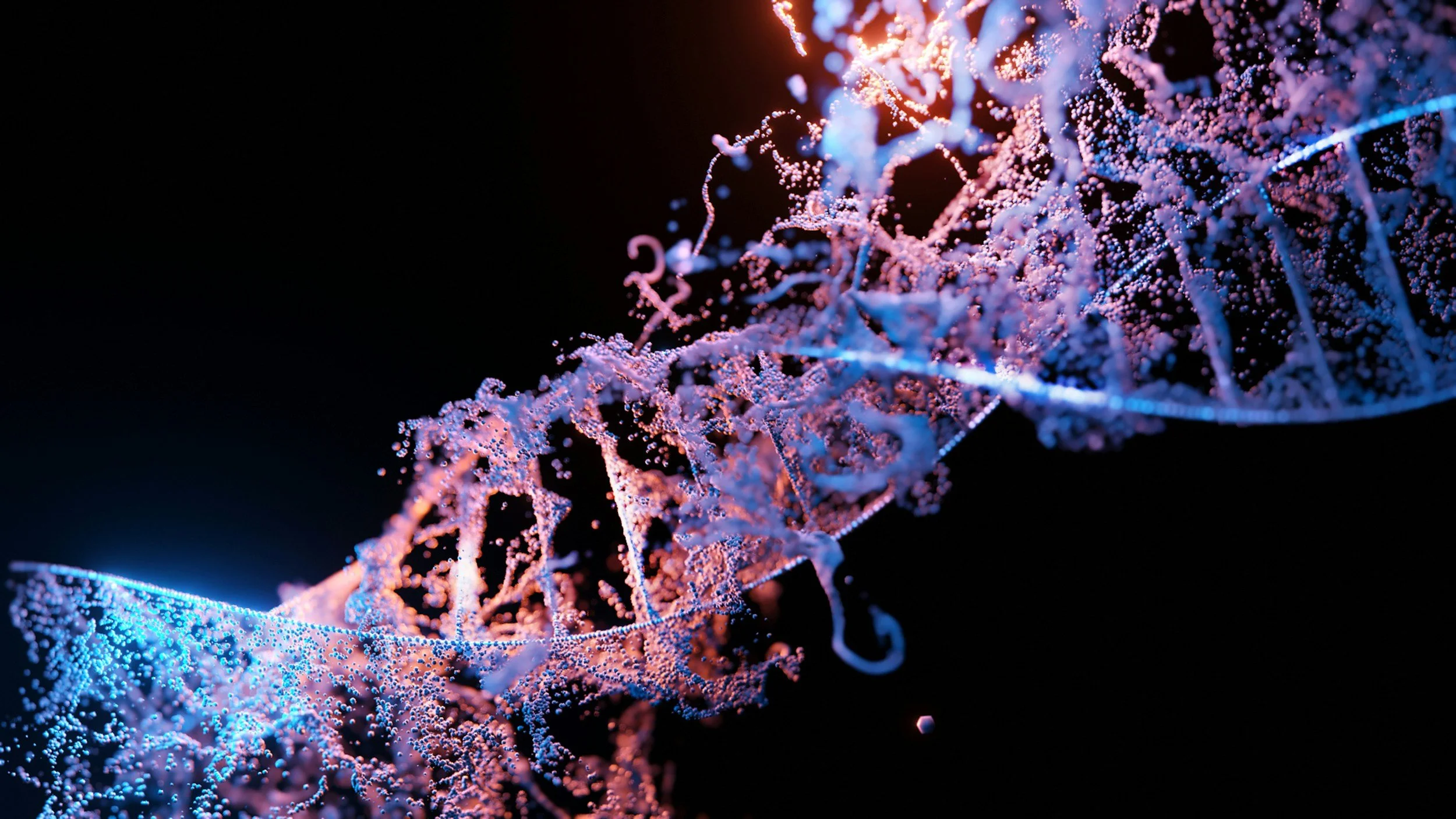
Twin studies measuring DNA methylation patterns show that roughly 80–84% of epigenetic variation between people comes from environment rather than genetic inheritance. Identical twins — same DNA, letter for letter — diverge so significantly over decades that by their fifties they can differ measurably in biological age, disease risk, and immune function. Not because their genes changed. Because their genes were being read differently.

The reason why you feel annoyed when you’re actually just tired
There's a specific kind of exhaustion that makes you into a person you don't quite recognise. The person who snaps at their partner for asking an entirely reasonable question. The person who cannot make a decision about something small and feels genuine distress about it. The person who is made furious by nothing specific — and then made worse by noticing they're furious about nothing specific. She is not difficult. She is running a nervous system under neurological constraint.

The Dangers of Low-Grade Inflammation
For a long time the word I used was fine. Not well — I was never consistently well — but fine. The kind of fine that gets you through appointments where the doctor says your bloods look good and you nod and go home. The framework I eventually found — not in a clinic but in research papers — was low-grade inflammation. Chronic, systemic, subclinical. Below the threshold that conventional medicine calls concerning. Running quietly enough to be easy to miss. Pervasive enough to affect almost every system in the body.

Nosy Intelligence
When we say there was "chemistry" between two people, we are describing a biological reality. What we call chemistry is, in part, a real chemical event — volatile compounds processed by receptors evolved for exactly this purpose, routed to the limbic system, translated into the subjective experience of attraction. Your nose has been running an immune compatibility algorithm since puberty. The pill reverses it. Nobody told you.
Everything you ever wanted to know about birth control
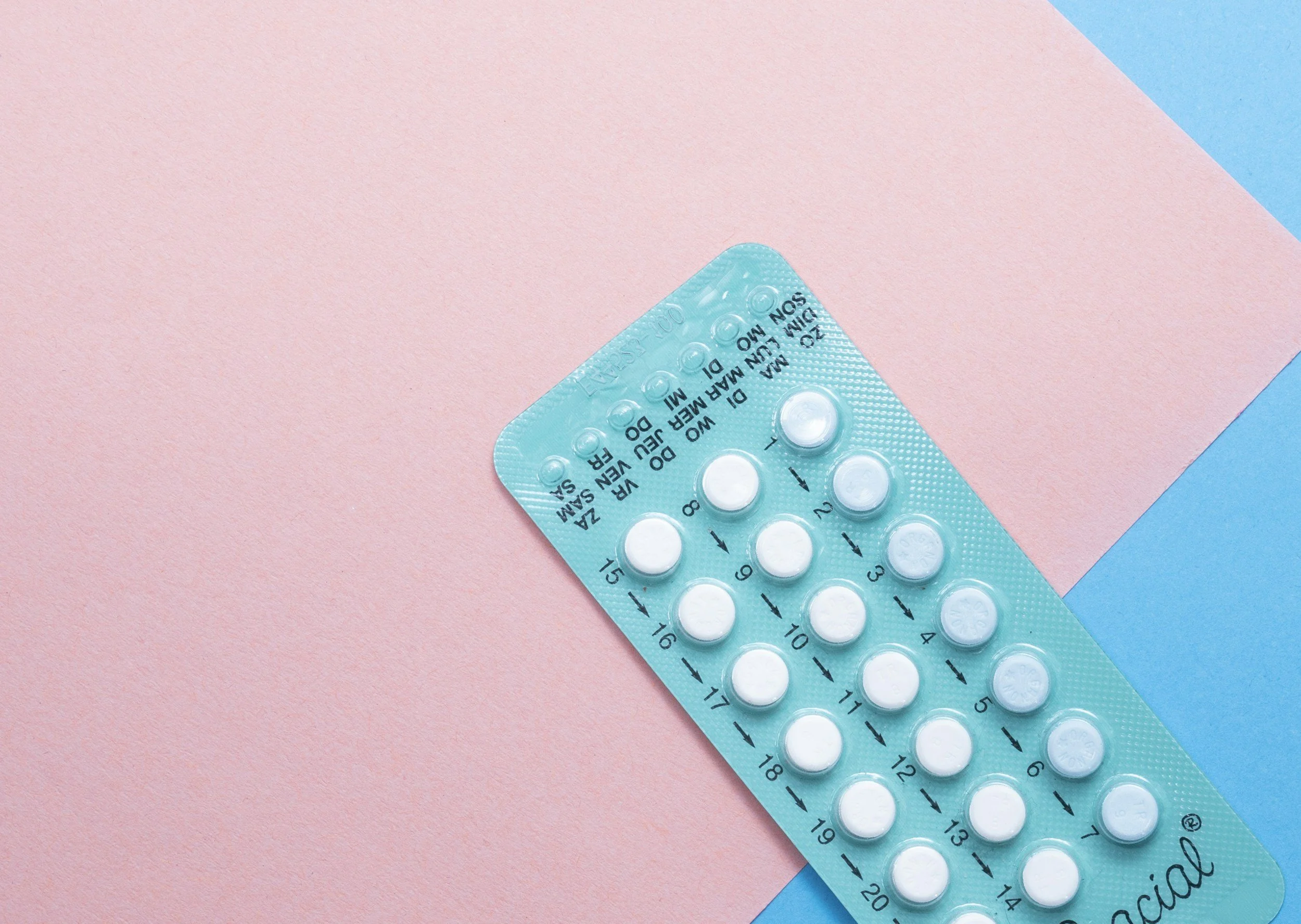
I was 17 when I was first prescribed the pill. The appointment lasted eight minutes. I was not told about SHBG. I was not told which synthetic progestin I was being given or what else it binds beyond the progesterone receptor. I was not told about the cortisol profile changes, the depression association documented in over a million women, or the preference reversal. The information existed. It was published. It was not passed on.

Polyendocrine Metabolic Ovarian Syndrome
There's something particular about the moment you find out the condition you've been living with was named after a feature it doesn't even reliably have. This week, after 14 years of global collaboration and the voices of more than 22,000 patients and clinicians, that got corrected. PCOS is now PMOS — and the name change is a window into something much bigger than terminology.
The Inflammation Report Card II
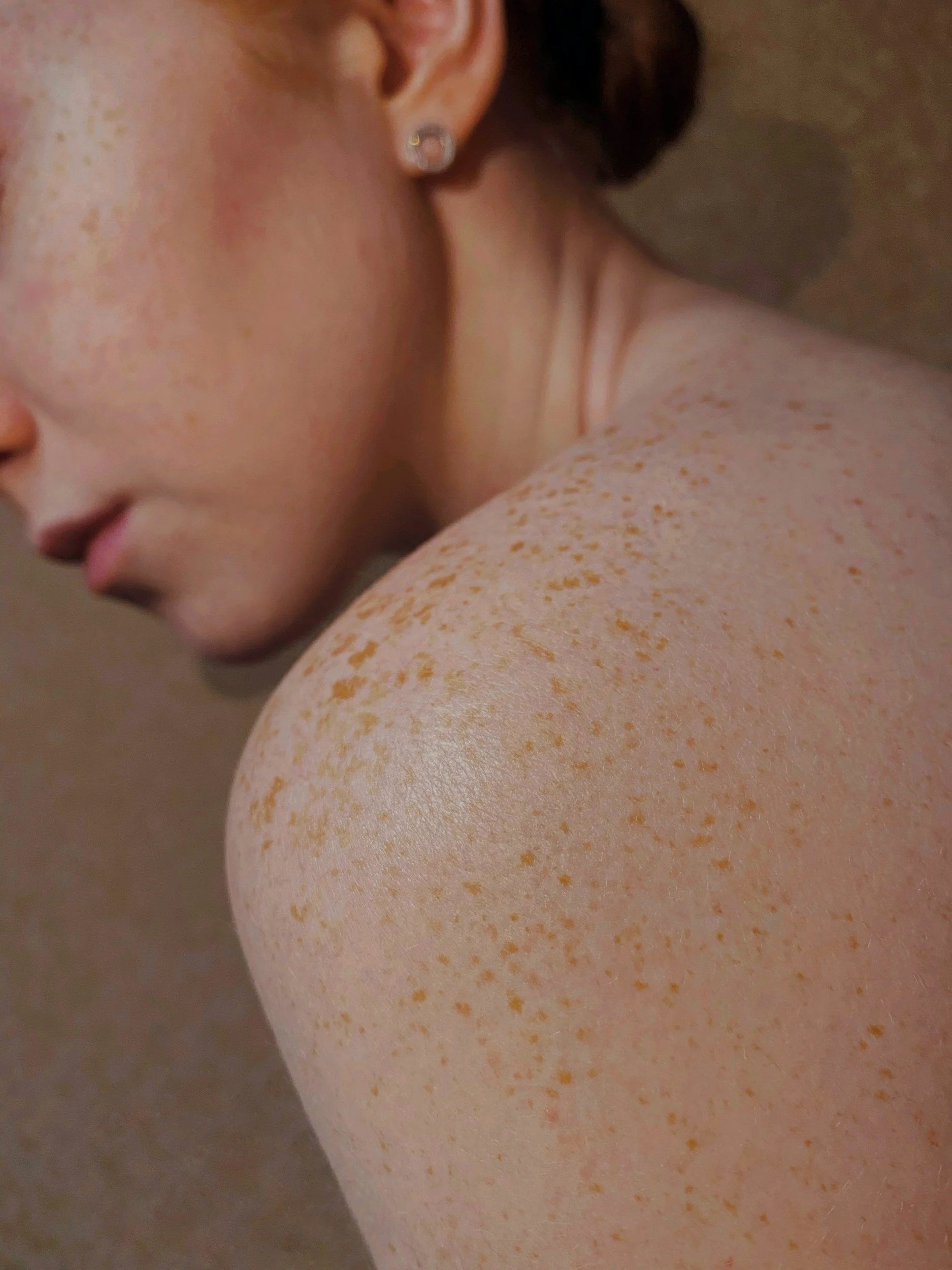
The symptoms in Part I were loud, acne, breakouts, dullness. The symptoms here are quieter. Puffiness you attribute to bad sleep. Under-eye circles that are just permanent now. Skin that no moisturiser quite fixes. These are easier to dismiss. They are also, for many women, the first signs of something significant shifting internally, arriving years before anyone suggests investigating why. Part II decodes them, and closes with the complete report card to save, share, and return to.