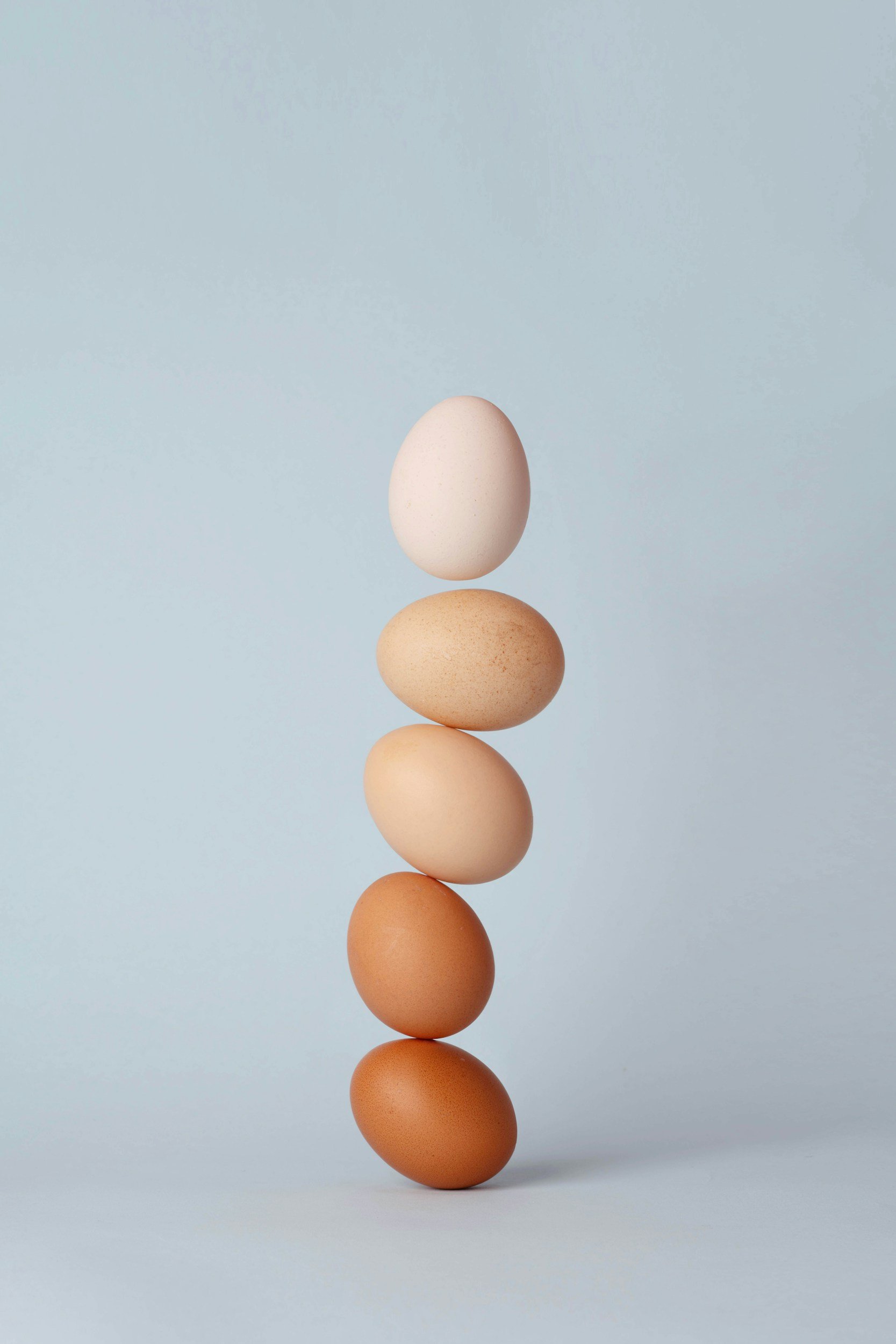
Waiting for Eggs
Everyone gets shown the same picture. A crowd of sperm, tails going, all pointed the same way. Ahead of them one round thing, pale and enormous and entirely still. The story attached to it never varies either: millions set off, one arrives, he breaks through, and she is fertilised. It is a good story. It has a hero and an obstacle and a prize. It is also, in almost every particular, not what happens.
The Organ Society Wrote Off
For a century we treated the ovary as a countdown clock that stops mattering at menopause. New research suggests it keeps working. It just changes jobs. A look at what the science actually shows, and what it doesn't.

The Research Gap
I was six years old when a hospital diagnosed me with thalassemia. I was twenty-five when I found out. The file existed. The diagnosis existed. Nobody told me. That is not an accident of individual incompetence. It is the product of a medical system that was not built to look for answers in a body like mine. Here is what that system has cost — in missed diagnoses, in wrong doses, in avoidable deaths, and in the years between symptom and answer that millions of women are still living through right now.
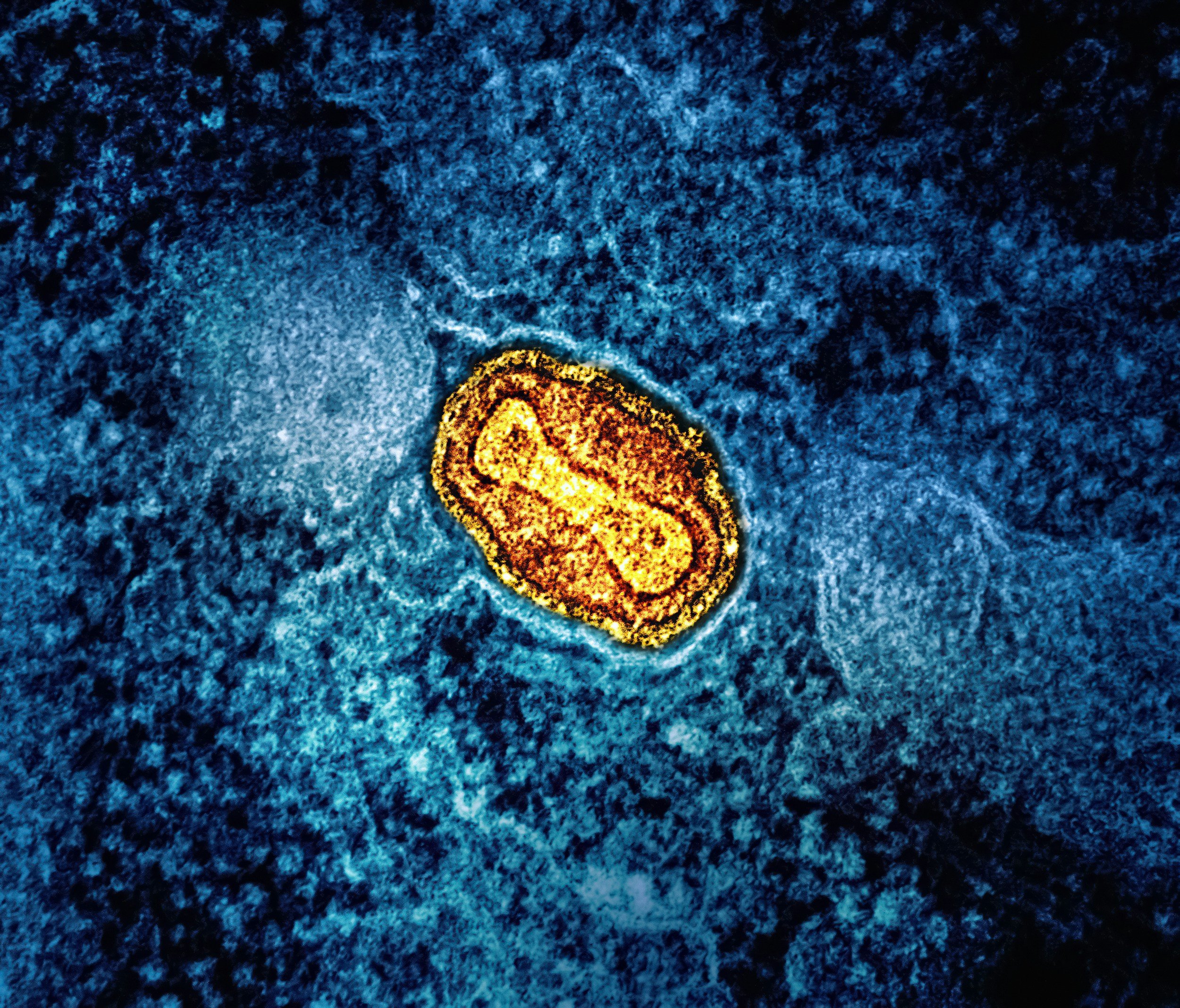
Female Mitochondria
There is a chain. Thalassemia reduces haemoglobin. Less haemoglobin means less oxygen delivered to cells. That oxygen enters the mitochondria — the structures inside every cell that use it to generate energy. Without adequate oxygen, the chain backs up. ATP production falls. And everything downstream of that — which is everything — runs slower, harder, at higher cost, and without an explanation that anyone thought to provide. Nineteen years of that explanation. Here is what mitochondria actually do, why they are specifically female, and why your fatigue may be cellular energy — not character.
The Iron-y
The reference range your doctor uses to rule out iron deficiency was built from a population where iron deficiency had become so common it looked normal. A ferritin of 14 ng/mL comes back with no flag, no follow-up, and no conversation. The evidence says the threshold should be 50. Here is what the gap between those two numbers costs.

Cortisol; Friend or Foe?
Everyone is told to lower their cortisol. Nobody explains what cortisol actually does — or that in the female body, it follows a measurably different pattern across the menstrual cycle, interacts with estrogen through two opposing receptor pathways, and was excluded from stress research for decades because its variability was considered a confound. That variability is the biology.
Bio-electricity
Every heartbeat is a voltage wave. Every pain signal is physics — charged particles crossing a membrane, a signal travelling at the speed of a sprinter. Your body is not just biological. It is electrical. And the physics runs differently in you than the textbooks have ever accounted for.

March Madness at Work
Ever had a week at work where everything felt harder than it should?
Same workload. Same competence. Completely different internal experience.
If that week happened during your late luteal phase, it wasn’t weakness — it was biochemistry.
Here’s what’s actually happening in your brain during PMS, and how to work with your cycle instead of fighting it.
Women's Health Pioneers
Women have been revolutionizing medicine for over a century—often without recognition, credit, or institutional support. This post honors the female scientists whose discoveries shaped modern healthcare and explains why their erasure still affects women’s health today.