
The Iron-y
The reference range your doctor uses to rule out iron deficiency was built from a population where iron deficiency had become so common it looked normal. A ferritin of 14 ng/mL comes back with no flag, no follow-up, and no conversation. The evidence says the threshold should be 50. Here is what the gap between those two numbers costs.
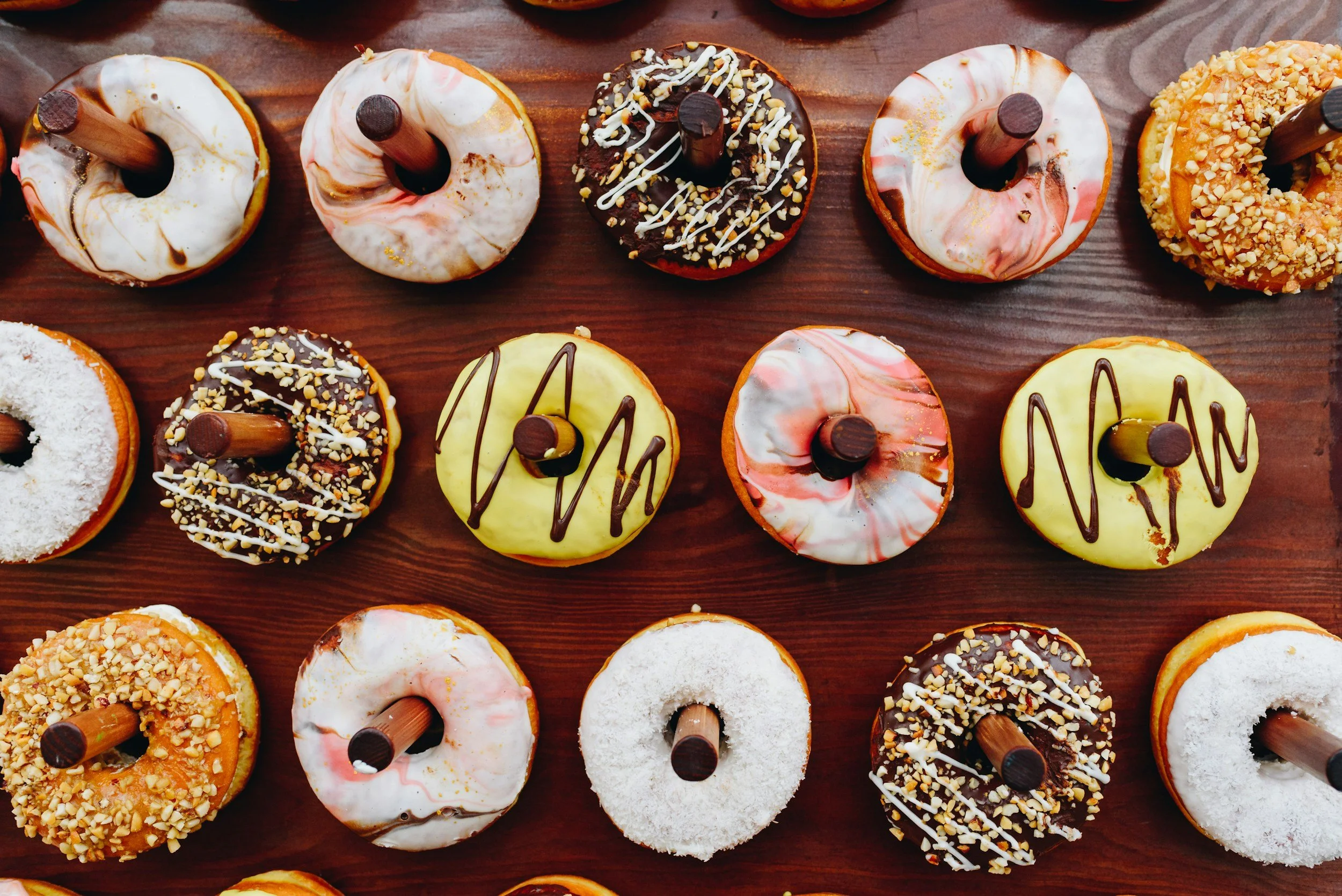
Cravings & Their Doings
There is a particular kind of afternoon I know well. It is not quite hunger — it is more specific than that. A pull toward something sweet, something salty, something warm. For most of my life I named it by the only word anyone had given me: weakness. It took reading a significant amount of nutritional neuroscience before I understood why the signal never went away. It was not the problem. The translation was.

Spring Herbs II
There was a corner of my grandfather's garden that got the most afternoon sun. That was where the basil lived. Next to it, coriander gone to seed. Thyme along the stone border. And somewhere, tucked in where you might not notice it, a small cluster of something soft and lemon-scented that his wife picked for tea in the evenings. I didn't know then what that tea was doing. Now I do. Part II of the spring herbs series, and the most personal one yet.
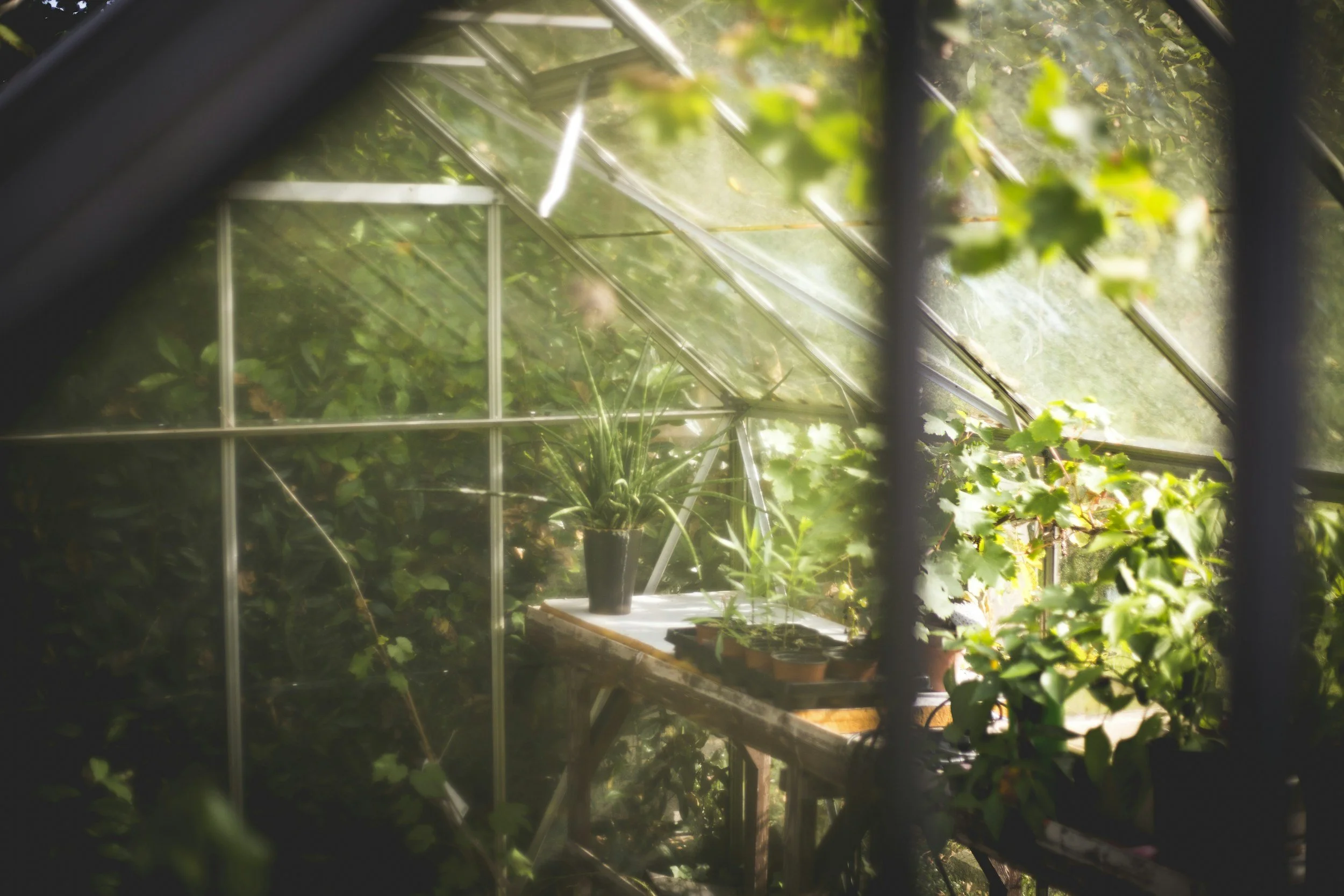
Spring Herbs I
You could smell it before you saw it. My grandfather's garden in Turkey announced itself long before you arrived, mint first, then dill, then parsley, then rosemary underneath it all. He knew something I've spent years arriving at through research: these plants are not garnishes. They are medicine in the most practical, everyday sense. Here's what the science says about five spring herbs, and one plant most people throw away.
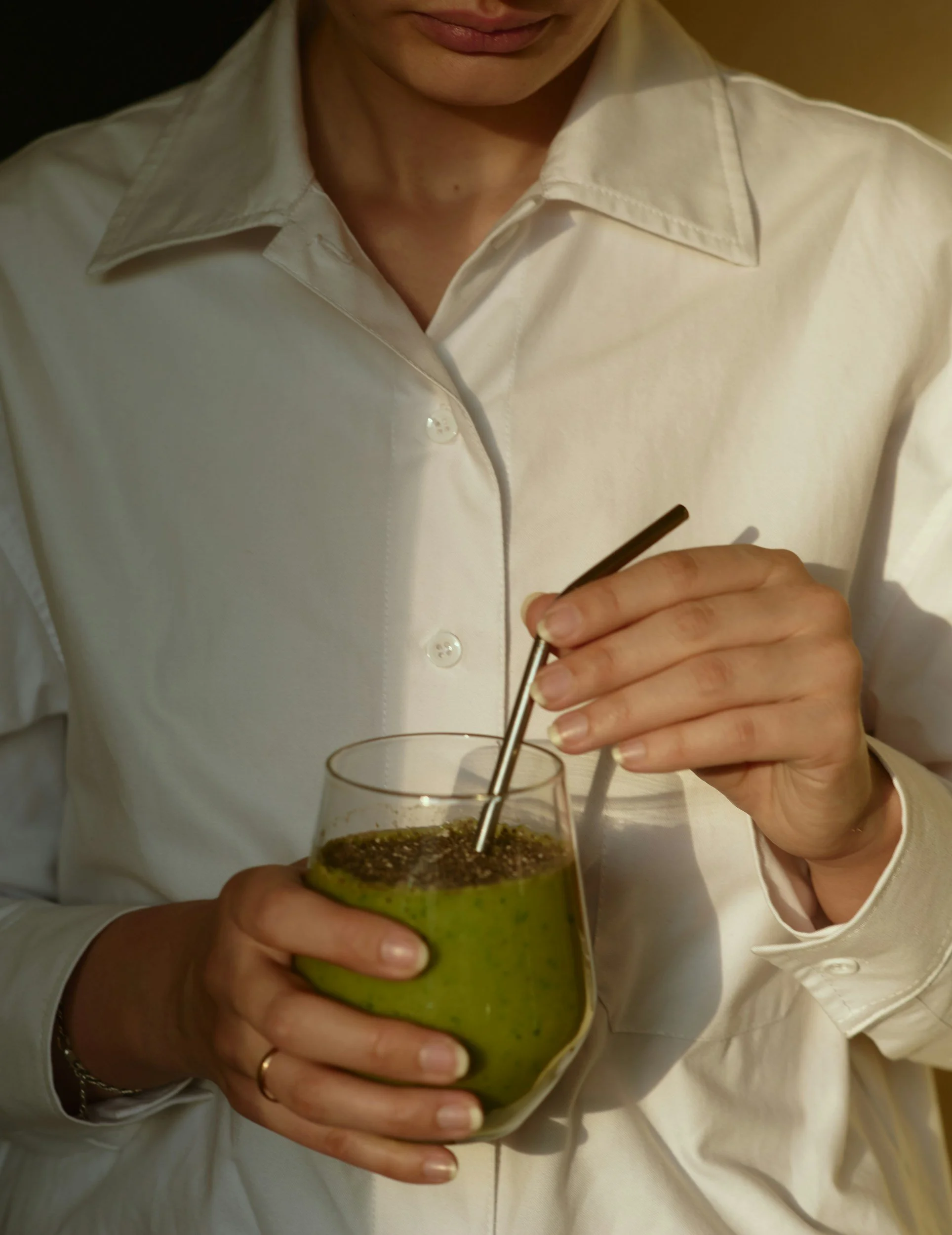
Chrono-Nutrition
Your body processes the same meal differently depending on when you eat it. Not slightly differently — significantly differently. The field of chrononutrition has been quietly building a case that the clock on your wall is a metabolic variable. Here's what the research says, why it matters more for women, and six practical timing guidelines you can apply today.
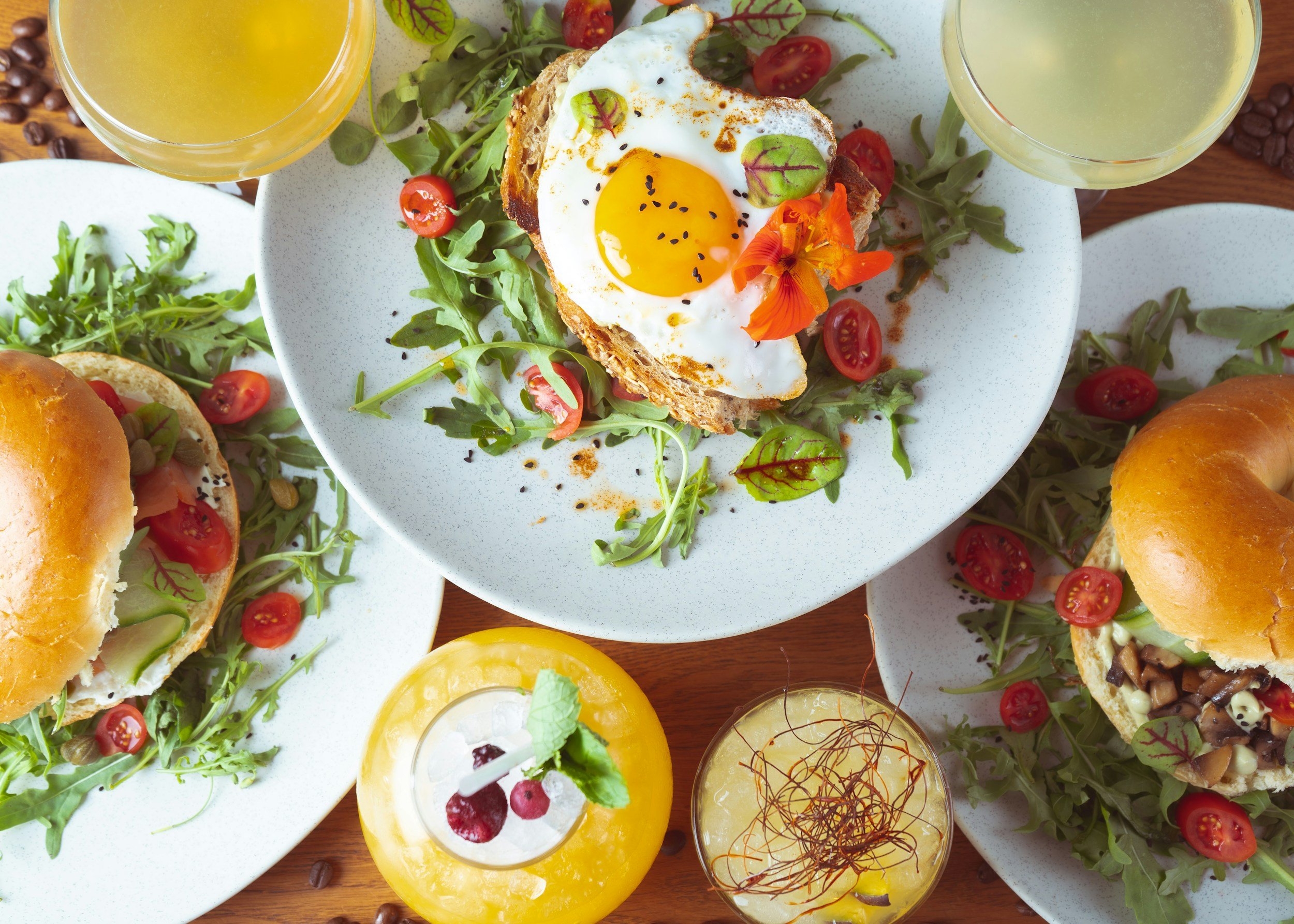
Easter Brunch Without the Crash
Easter brunch is basically engineered to spike your blood sugar — pastries, fruit salad, mimosas, and “healthy” sugar bombs.
This post shows what’s happening biologically (especially in women), and how to build a brunch plate that keeps energy stable, mood steady, and cravings quiet — without skipping the fun foods.
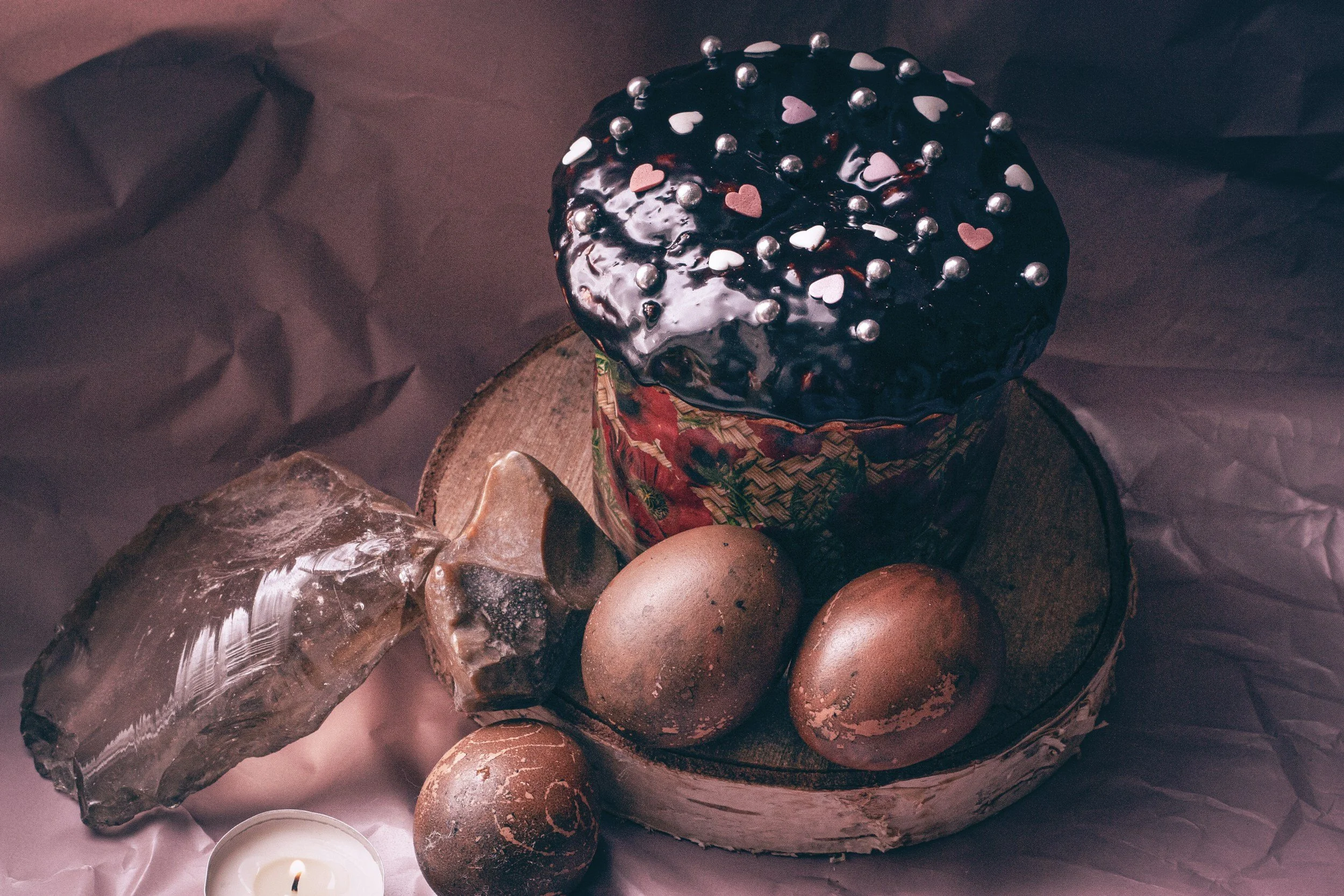
The Easter Chocolate Dilemma
Easter chocolate isn’t the problem—blood sugar chaos is. This guide breaks down how sugar affects female hormones and your cycle, and how to enjoy sweets strategically without crashes, guilt, or hormonal fallout.
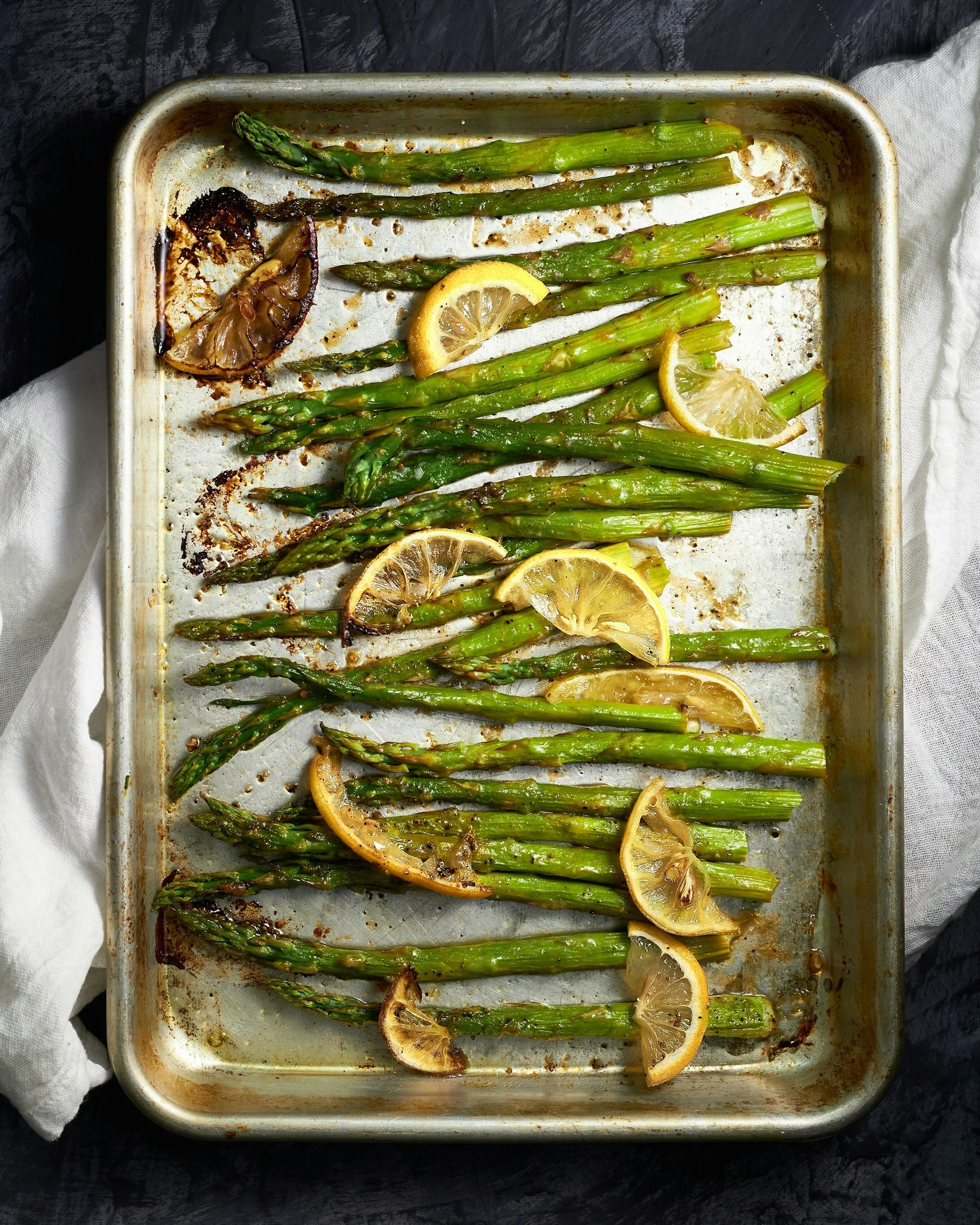
Energy Reset Foods
Spring foods do more than taste fresh—they support the exact hormonal and metabolic shifts your body makes as days grow longer. This piece explores how seasonal greens, vegetables, herbs, and fruit act as your body’s natural medicine cabinet for energy and balance.