
The Referral That Never Came
What happens when you live with a rare blood disorder for 28 years… and are still being dismissed without even so much of a phone call?
This is a personal story, but also a systemic one. About gender bias in medicine, diagnostic delay, and what it does to women over time.
Intermittent Fasting & Female Hormones
Intermittent fasting can improve insulin sensitivity, PCOS symptoms, and metabolic health, but for women, the story is more nuanced than the internet makes it sound.
This post breaks down what IF actually does to cortisol, thyroid function, and reproductive hormones, and how to approach it in a way that works with female biology.
Cold Plunging as a Woman
Cold plunging isn’t just a trend—it’s a measurable neurochemical event.
But most of the conversation ignores female physiology.
Here’s what the research actually says about cold water immersion for women—hormones, mood, recovery, and what to be careful with.
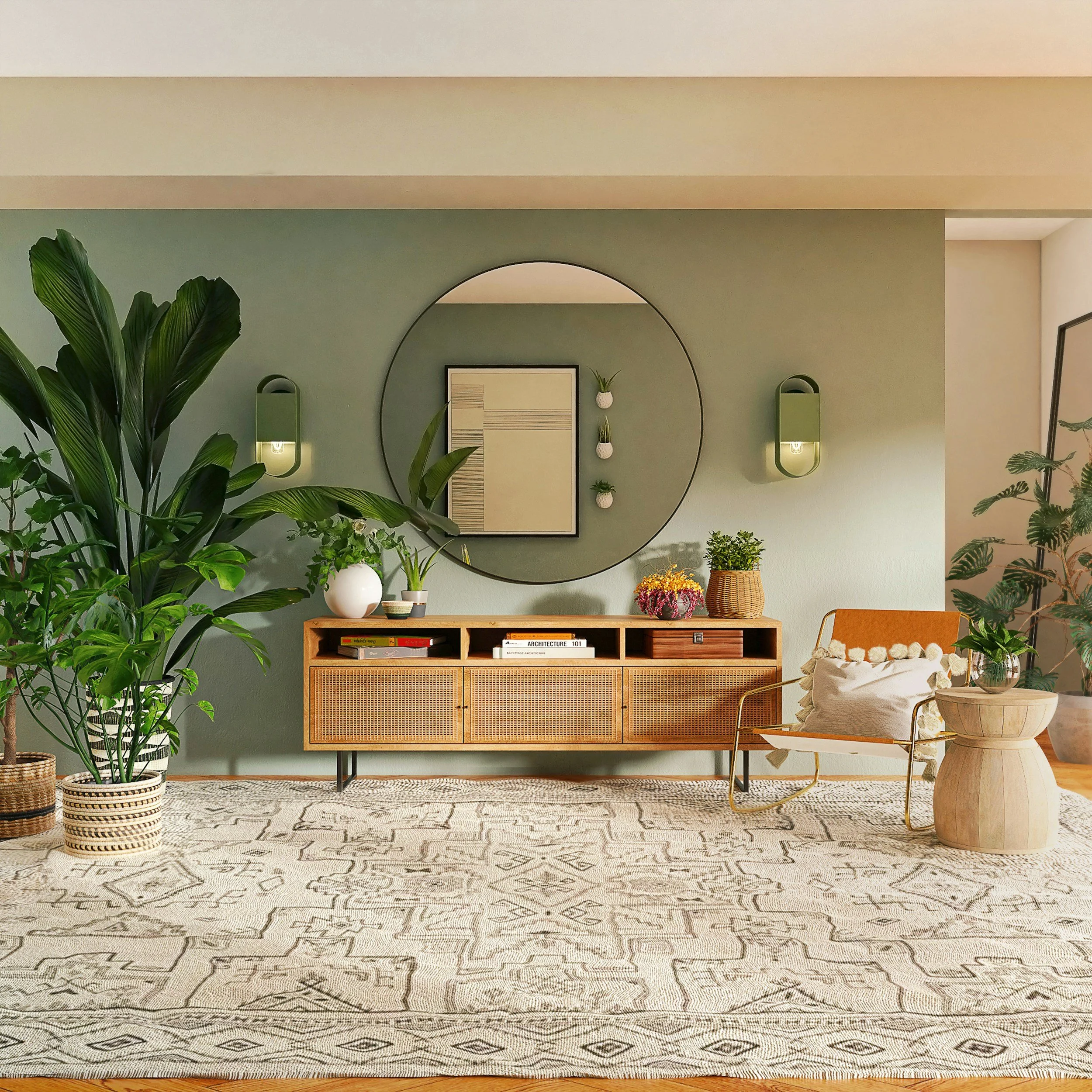
Pastel Aesthetics and Dopamine Design
That urge to rearrange your space when the season shifts?
It’s not random — it’s neurological.
From pastel colour palettes to natural light and biophilic design, your environment is constantly shaping your mood, focus, and energy. This is how to design a space that actually supports your nervous system.

SPF Is Not Enough
Most of us were taught that sunscreen is the whole story. It isn’t.
SPF matters deeply, but summer skin protection is also about oxidative stress, nutrition, hormones, inflammation, and how your cycle changes your skin’s sensitivity to the sun.
This is the fuller protocol — the one that protects not just against burning, but against photoaging, pigmentation, and long-term skin damage.
The Ozempic Truth
Ozempic isn’t “just appetite suppression.” It’s week-long, high-level GLP-1 receptor activation that alters digestion, blood sugar signaling, brain reward pathways—and in women, potentially cycles, fertility, muscle, and mood.
Here’s the biological reality, the trade-offs, and what happens when you stop.
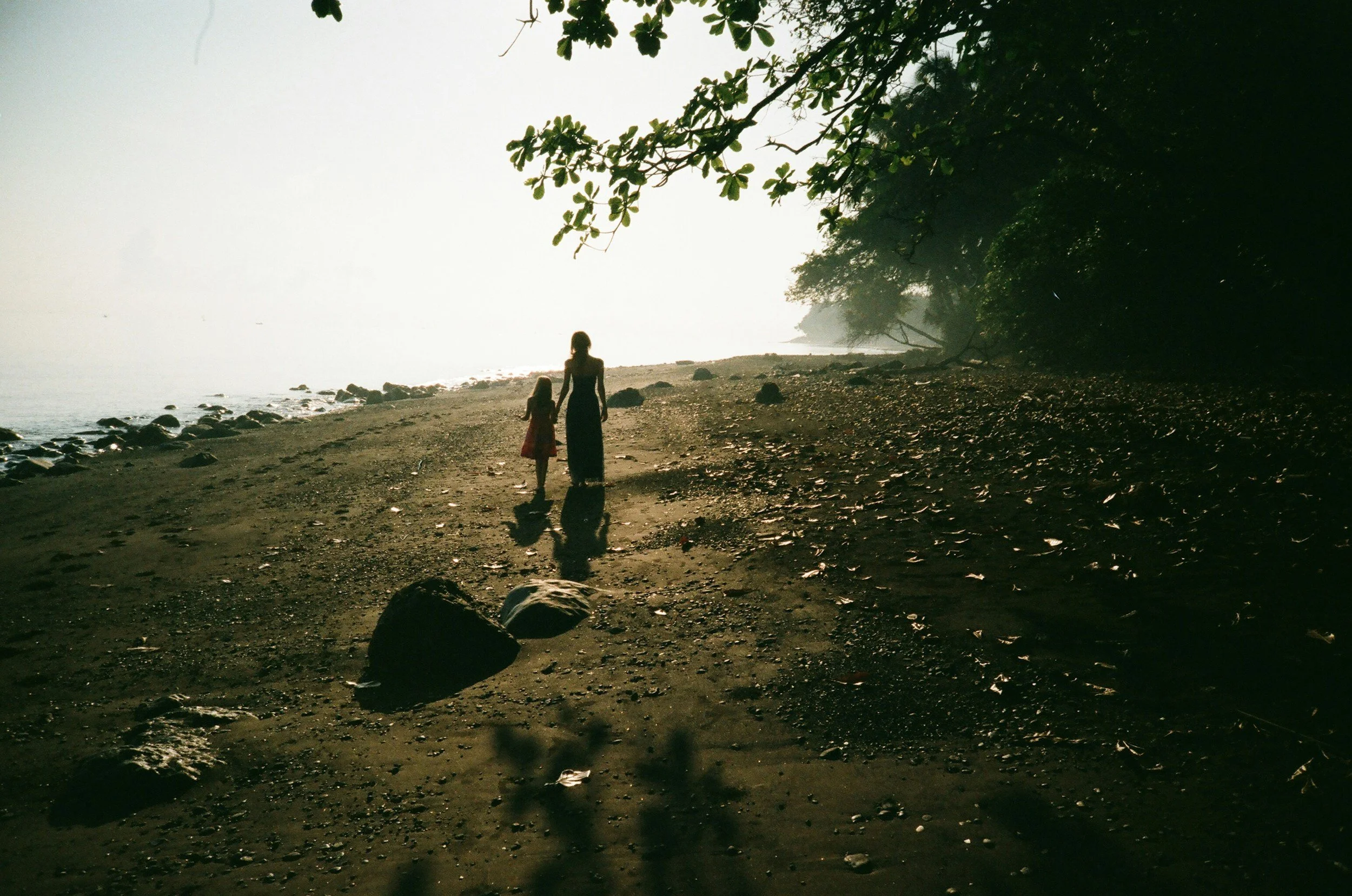
She Gave Everything
“She deserved to be asked what she needed — not just thanked for what she gave.”
This is not an attack on mothers. It’s a defence of them — from a system that built self-erasure into the role and called it love.