
Perimenopause III
There is a sentence women say quietly, usually near the end of an appointment, usually while reaching for a coat: I think there is something wrong with my brain. The measured answer is more reassuring and more precise than either the fear or the dismissal. Women in late perimenopause stopped improving on repeated cognitive testing while every other group carried on, and then the curve came back. But underneath that sits a second question, about ADHD in this window, where a systematic review went looking for studies and found none.

Perimenopause II
The hot flush in a meeting is public. Everyone watches. The three in the morning has no witnesses, so nobody counts it. Between forty and fifty-six percent of women report insomnia symptoms in the transition, and one in four meets full diagnostic criteria. This is what is happening in those hours, why progesterone leaving is the part nobody explains, and why the treatment with the strongest evidence behind it is almost never the one you get offered.
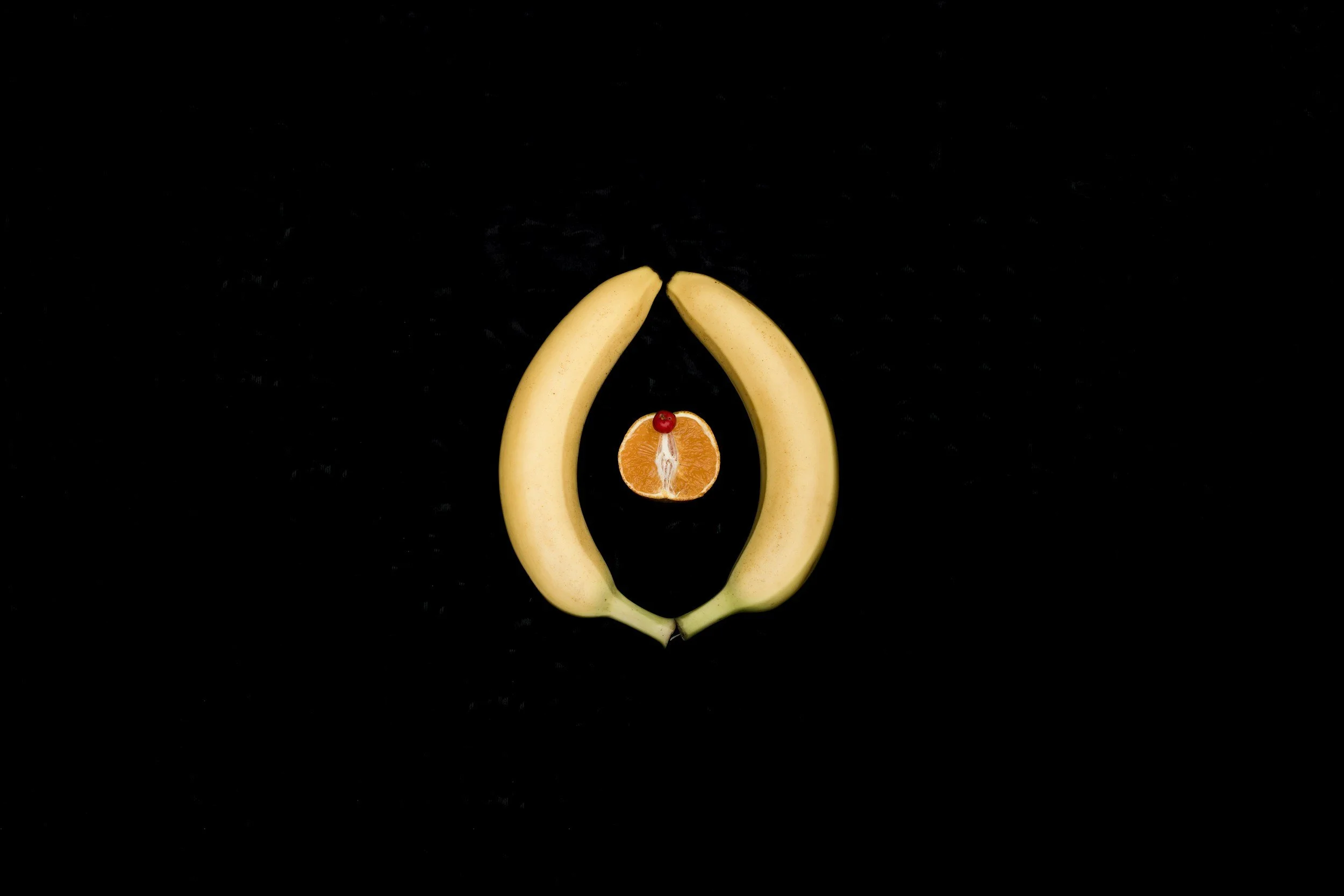
The Organ Society Wrote Off
For a century we treated the ovary as a countdown clock that stops mattering at menopause. New research suggests it keeps working. It just changes jobs. A look at what the science actually shows, and what it doesn't.

Perimenopause I
Four men were laughing about their "hormonal" wives when the only woman at their level crossed the room, dropped her jacket on the floor, and showed them the sleeves she'd cut out of her blouse. Perimenopause hormones do not fade on a gentle slope. FSH rises first, estradiol spikes higher than it did at twenty-five, and progesterone leaves years before anyone mentions menopause. What is actually happening, why a single blood test cannot see it, and what the evidence says helps.
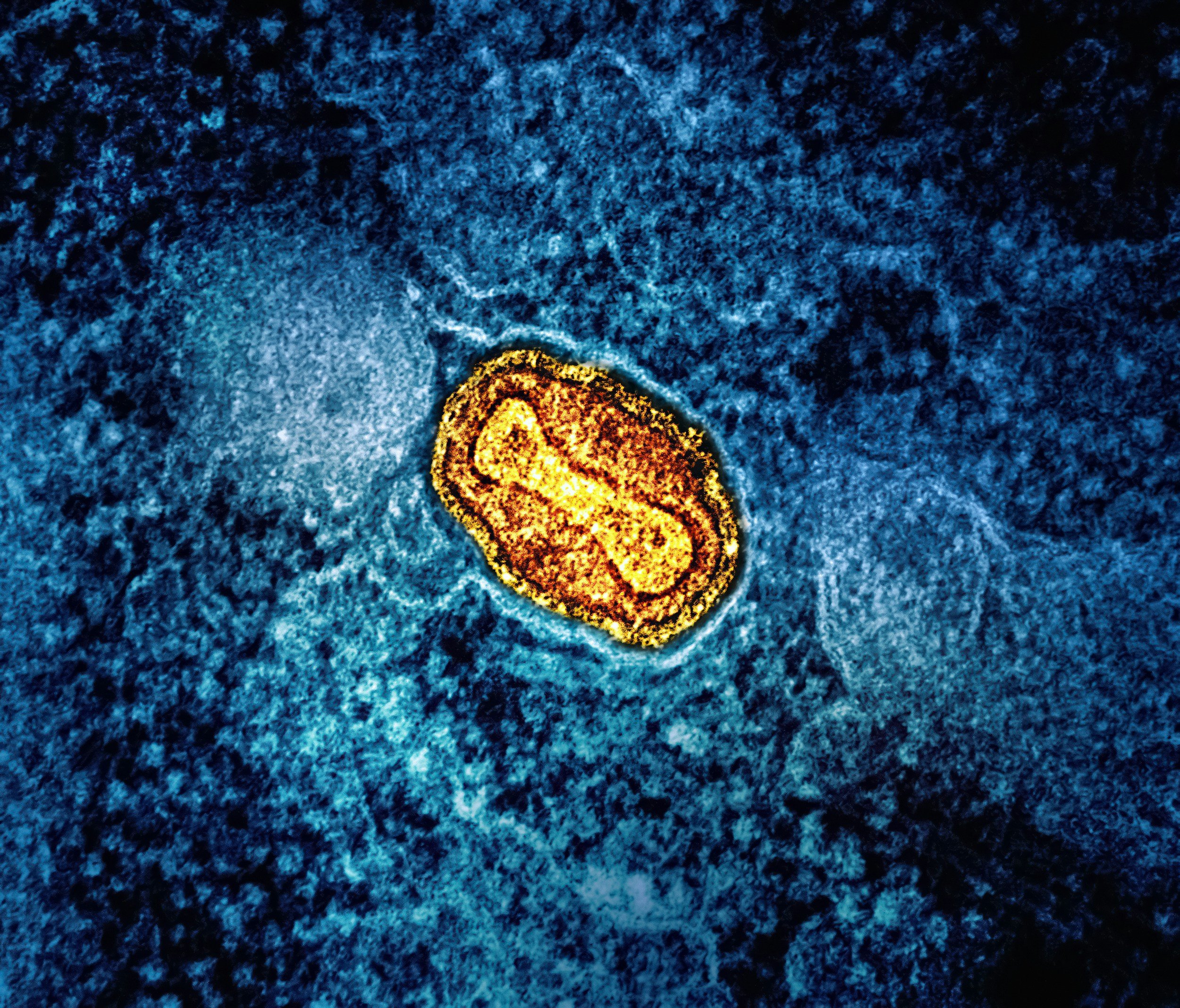
Female Mitochondria
There is a chain. Thalassemia reduces haemoglobin. Less haemoglobin means less oxygen delivered to cells. That oxygen enters the mitochondria — the structures inside every cell that use it to generate energy. Without adequate oxygen, the chain backs up. ATP production falls. And everything downstream of that — which is everything — runs slower, harder, at higher cost, and without an explanation that anyone thought to provide. Nineteen years of that explanation. Here is what mitochondria actually do, why they are specifically female, and why your fatigue may be cellular energy — not character.

Hormonal Headaches
I remember the first time I understood that my migraines had a pattern. Four months of tracking in a notes app, and the dates kept clustering around the same point in the month. Always the days just before my period. Nobody had told me this was a thing — not a doctor, not a neurologist, not the pharmacists I had consulted about whether I was taking too much ibuprofen. I had spent years treating each migraine as an isolated event. A failure of hydration. A punishment for the glass of wine. I had a list of suspected causes as long as my arm, and not one of them said: your estrogen just dropped and your trigeminal nerve is reacting. This is that explanation.

The Inflammation Report Card II
The symptoms in Part I were loud, acne, breakouts, dullness. The symptoms here are quieter. Puffiness you attribute to bad sleep. Under-eye circles that are just permanent now. Skin that no moisturiser quite fixes. These are easier to dismiss. They are also, for many women, the first signs of something significant shifting internally, arriving years before anyone suggests investigating why. Part II decodes them, and closes with the complete report card to save, share, and return to.