The Memory of Pain
The first time, I did not know what was coming. They operated on bones in my foot. Gave me a spinal block. When it wore off, they asked me to walk — on crutches, on the foot that had just been cut open. I made it a few steps. And then the world went black. Not metaphorically. I literally fainted. From pain. That was surgery one. There were three. And there is a fourth I need — and cannot make myself do. It has to do with a specific molecule in the neurons of my spinal cord. Once you understand what that molecule does, the fact that I cannot walk back into that operating theatre will make complete neurological sense. It is not a failure of courage. It is a consequence of learning.

Outside of Time
There is something that happens in a crisis that nobody really prepares you for. Time does not just feel different — it is different. The room slows down. The details become too clear. You notice things you have no business noticing when everything is going wrong. This is not a glitch. It is tachypsychia — a specific neurological event driven by norepinephrine — and the science of why it happens tells you more about the female stress response than almost anything else in the literature.

Fear Memory & Consolidation
I have always had a lot of fears. And since a young age I have been adamant about overcoming them. Not tiptoeing around them. Collecting them. Every time I collect one — every time I do the thing and survive it — something happens that still astounds me. How easy the second time is. How there is almost literally no stopping me. I always thought this was a mindset. It is not a mindset. It is fear extinction — and the female brain is specifically, hormonally primed for it at particular points in the cycle. Here is the science behind the thing that has helped me most.
Bio-electricity
Every heartbeat is a voltage wave. Every pain signal is physics — charged particles crossing a membrane, a signal travelling at the speed of a sprinter. Your body is not just biological. It is electrical. And the physics runs differently in you than the textbooks have ever accounted for.
Neuroplasticity
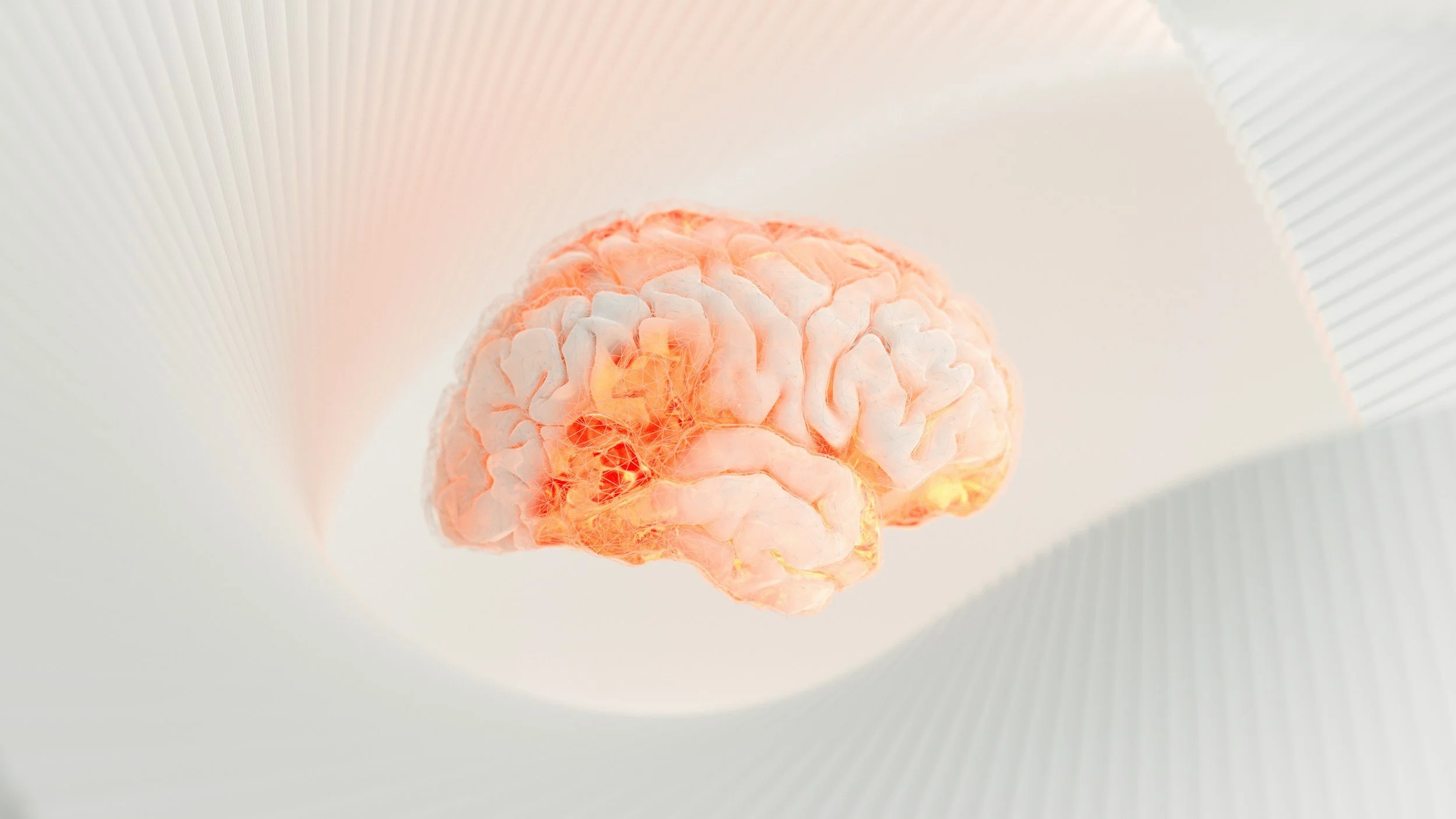
There is a belief I held for most of my twenties that I no longer hold: that my brain had a ceiling. That the capacity I had was the capacity I got. I know now that this is not how the brain works. Neuroplasticity does not pause for difficult years. And in the female brain, it runs on a hormonal architecture that science is only beginning to take seriously.
