Starting Cycle Tracking
A friend asked me over dinner how she should start tracking her cycle, and I opened my mouth to answer and realised I was about to overwhelm her. So I stopped. Here is the only thing you have to do to start — and it fits in one sentence.

Estrobolome
For years I treated my bloating like a crime scene, and food was always the suspect. Gluten one month, dairy the next. What I kept missing was the timing — it wasn't my plate, it was the conversation between my gut bacteria and my estrogen.
PMOS and the Pill
You go in with a list. Cycles that arrive when they feel like it, skin that behaves like you are fifteen again, a tiredness sleep does not touch. You come out with a prescription for the pill and a suggestion about weight. In one survey of 1,385 women, a third spent over two years looking for a diagnosis, and only 15.6% were satisfied with the information they got when it arrived. PMOS, formerly PCOS, is four different conditions under one name. Which one you have changes everything about what should be measured and treated.

Perimenopause II
The hot flush in a meeting is public. Everyone watches. The three in the morning has no witnesses, so nobody counts it. Between forty and fifty-six percent of women report insomnia symptoms in the transition, and one in four meets full diagnostic criteria. This is what is happening in those hours, why progesterone leaving is the part nobody explains, and why the treatment with the strongest evidence behind it is almost never the one you get offered.
The Organ Society Wrote Off
For a century we treated the ovary as a countdown clock that stops mattering at menopause. New research suggests it keeps working. It just changes jobs. A look at what the science actually shows, and what it doesn't.

Perimenopause I
Four men were laughing about their "hormonal" wives when the only woman at their level crossed the room, dropped her jacket on the floor, and showed them the sleeves she'd cut out of her blouse. Perimenopause hormones do not fade on a gentle slope. FSH rises first, estradiol spikes higher than it did at twenty-five, and progesterone leaves years before anyone mentions menopause. What is actually happening, why a single blood test cannot see it, and what the evidence says helps.

The Dangers of Low-Grade Inflammation
For a long time the word I used was fine. Not well — I was never consistently well — but fine. The kind of fine that gets you through appointments where the doctor says your bloods look good and you nod and go home. The framework I eventually found — not in a clinic but in research papers — was low-grade inflammation. Chronic, systemic, subclinical. Below the threshold that conventional medicine calls concerning. Running quietly enough to be easy to miss. Pervasive enough to affect almost every system in the body.
Women’s Immune System
The female immune system is not weaker, more emotional, or more suggestible than the male. It is faster to activate, produces higher antibody titers, and clears infections more efficiently. The same biology that makes it stronger also makes it more likely to attack self. Here's the chromosome-level explanation nobody taught you.
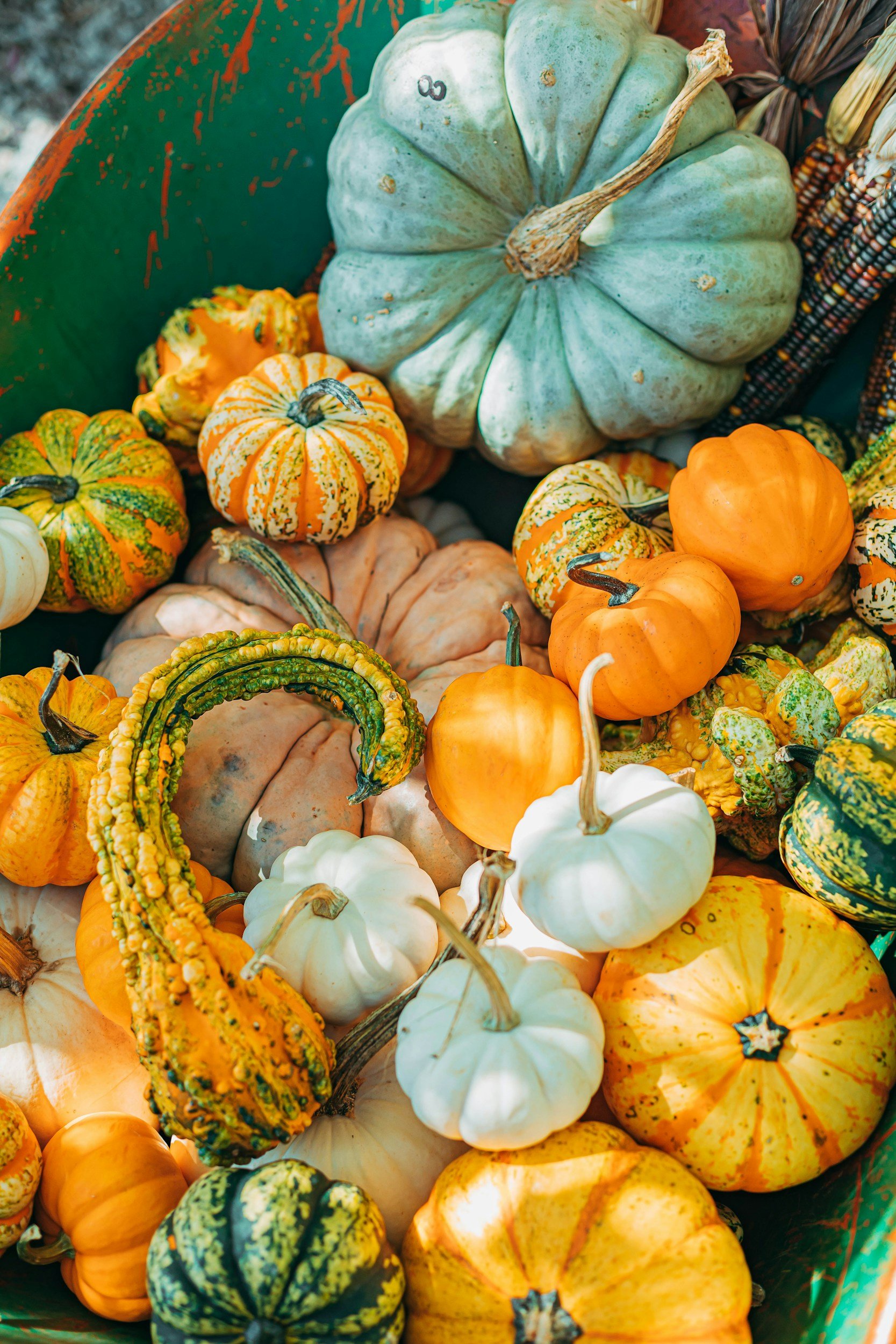
October Eating
October hunger is not a character flaw. It's a biological response shaped by photoperiod long before anyone invented the concept of falling off the wagon. Here's what leptin, ghrelin, and your serotonin system are actually doing — and why the wellness industry times its reset content to coincide with exactly this moment.