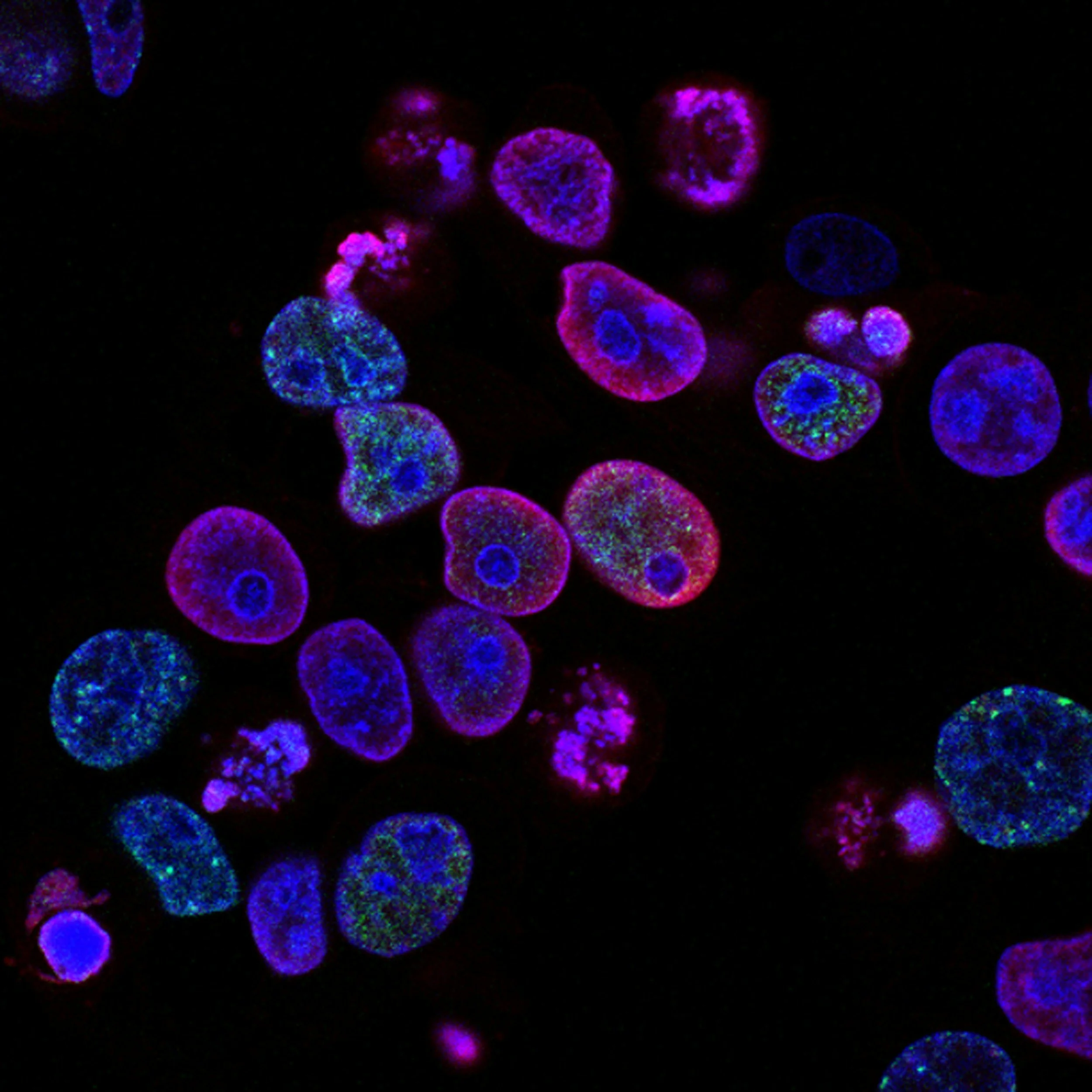
Stem Cells
I fasted past 72 hours once. My back hurt the whole way through, and afterwards it felt like a different back. That sent me into the stem cell literature, where the real finding turned out to be stranger than the supplement ads: your repair crew does not fade slowly. It collapses at around seventy. And in the female body, one of the hormones maintaining it withdraws two decades earlier.

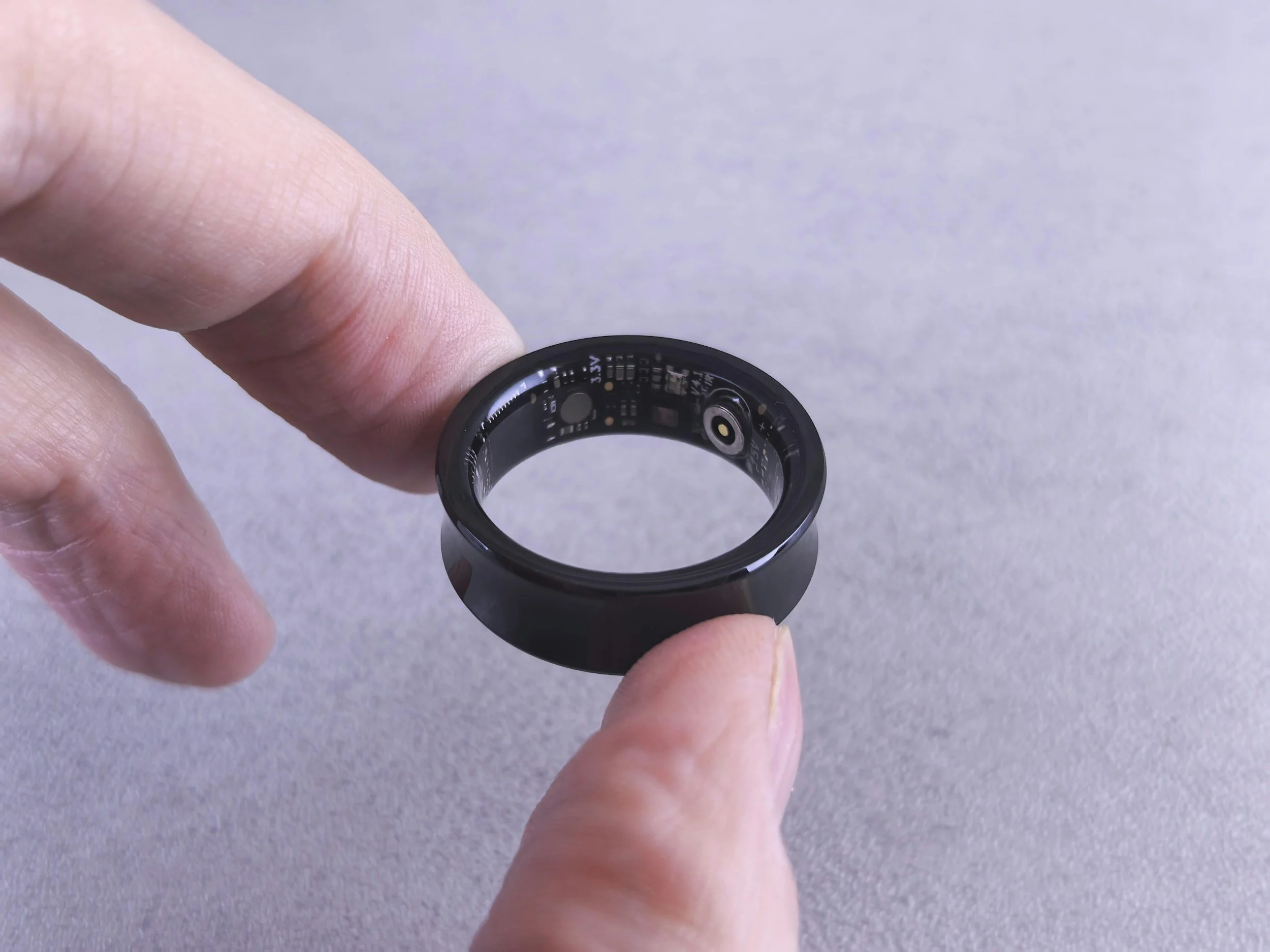
Starting Cycle Tracking
A friend asked me over dinner how she should start tracking her cycle, and I opened my mouth to answer and realised I was about to overwhelm her. So I stopped. Here is the only thing you have to do to start — and it fits in one sentence.


Estrobolome
For years I treated my bloating like a crime scene, and food was always the suspect. Gluten one month, dairy the next. What I kept missing was the timing — it wasn't my plate, it was the conversation between my gut bacteria and my estrogen.
PMOS and the Pill
You go in with a list. Cycles that arrive when they feel like it, skin that behaves like you are fifteen again, a tiredness sleep does not touch. You come out with a prescription for the pill and a suggestion about weight. In one survey of 1,385 women, a third spent over two years looking for a diagnosis, and only 15.6% were satisfied with the information they got when it arrived. PMOS, formerly PCOS, is four different conditions under one name. Which one you have changes everything about what should be measured and treated.

Imaginary Friends as an Adult: What the Research Says
I was the kind of child who made things up. Not small things — whole worlds, with weather and rules and people in them who had opinions about each other. What I did not expect is that they would stay. Earlier this year I started asking one of them how her day went, and it changed more than it had any right to. Then I went looking for the research, expecting to find nothing, and found rather a lot.

Perimenopause III
There is a sentence women say quietly, usually near the end of an appointment, usually while reaching for a coat: I think there is something wrong with my brain. The measured answer is more reassuring and more precise than either the fear or the dismissal. Women in late perimenopause stopped improving on repeated cognitive testing while every other group carried on, and then the curve came back. But underneath that sits a second question, about ADHD in this window, where a systematic review went looking for studies and found none.

Waiting for Eggs
Everyone gets shown the same picture. A crowd of sperm, tails going, all pointed the same way. Ahead of them one round thing, pale and enormous and entirely still. The story attached to it never varies either: millions set off, one arrives, he breaks through, and she is fertilised. It is a good story. It has a hero and an obstacle and a prize. It is also, in almost every particular, not what happens.